



















 Earn up to 50% APR
 Boost earnings with NFTs
 Play, HODL & earn more








Are Bitcoin Treasury Companies Starting to Hedge Against Downside Risk?
-
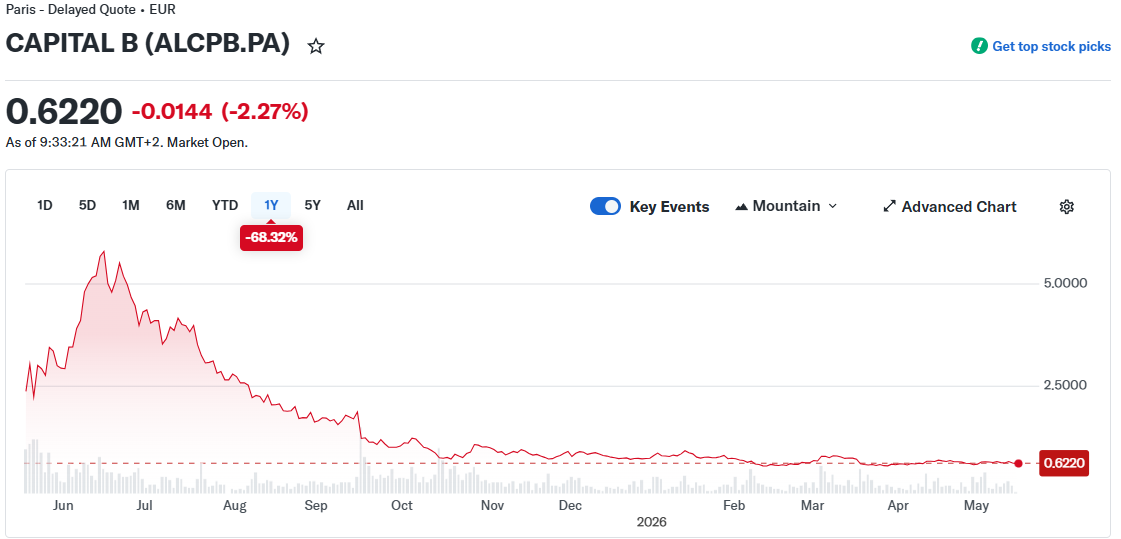
Most Bitcoin treasury companies were built around a straightforward thesis: accumulate as much Bitcoin as possible and hold it indefinitely, betting that the asset's long-term appreciation will deliver returns to shareholders. That model works well during bull markets but creates significant balance sheet pressure when Bitcoin enters a prolonged drawdown. With Bitcoin currently sitting approximately 39% below its all-time high of $126,198, some treasury firms are beginning to explore defensive strategies that go beyond simply holding and waiting for prices to recover.
Nakamoto, a Nasdaq-listed Bitcoin treasury company, announced in late April an actively managed Bitcoin derivatives program designed to generate recurring income from volatility while hedging part of its corporate BTC holdings against further downside exposure. The company also disclosed the sale of 284 Bitcoin worth approximately $20 million in a March filing. Genius Group went further, selling its entire remaining treasury of 84 BTC for about $5.7 million in February to repay an $8.5 million debt obligation, prioritizing balance sheet stability over Bitcoin accumulation. These moves stand in contrast to companies like Capital B, Strategy, and Mubadala that continue buying at current prices. The divergence reflects a growing split within the Bitcoin treasury space between firms with strong enough capital structures to stay aggressive during downturns and those that are being forced to adapt their strategies as the prolonged price weakness puts real pressure on their financial positions.