



















 Earn up to 50% APR
 Boost earnings with NFTs
 Play, HODL & earn more







The Dream Market Case Shows That Darknet Proceeds Sitting in Dormant Wallets Are Never Truly Safe
-
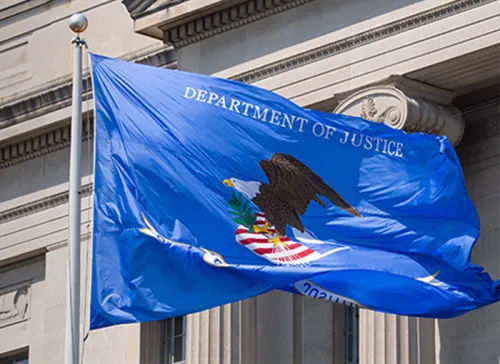
Dream Market was one of the largest darknet marketplaces ever operated, hosting close to 100,000 listings at its peak and facilitating the sale of more than 450 kilograms of cocaine, 90 kilograms of heroin, and 36 kilograms of fentanyl according to DOJ figures, with buyers using Bitcoin to obscure transaction trails. The platform shut down voluntarily in 2019, and for years its main administrator known as Speedstepper remained unidentified while other admins were prosecuted and convicted. The indictment of Owe Martin Andresen suggests that the wallets tied to Dream Market's senior leadership were not abandoned but simply left dormant, waiting for what their holder presumably believed was a safe moment to move the funds.That assumption proved costly. Investigators were able to trace the movement of funds from dormant marketplace wallets in late 2022 through to gold purchases in 2023, ultimately connecting the physical bullion seized at Andresen's German home directly back to the original darknet proceeds. The case fits into a broader and accelerating pattern of law enforcement action against cryptocurrency tied to historic darknet operations, including the recent recovery of $1 billion in Bitcoin connected to Silk Road. The message from these prosecutions is consistent: dormant crypto wallets holding proceeds from criminal activity do not become safer with time, and the transparency of blockchain transaction histories means that moving those funds years after the original crimes can still generate enough forensic evidence for a successful prosecution.x