



















 Earn up to 50% APR
 Boost earnings with NFTs
 Play, HODL & earn more








Hyperliquid Is Built Exactly the Way the CLARITY Act's DeFi Safe Harbor Was Written For
-
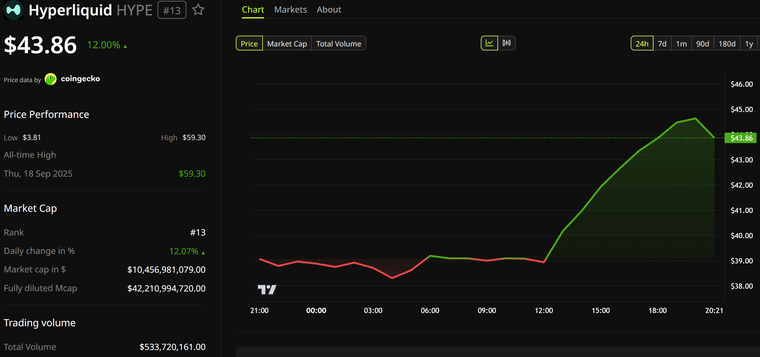
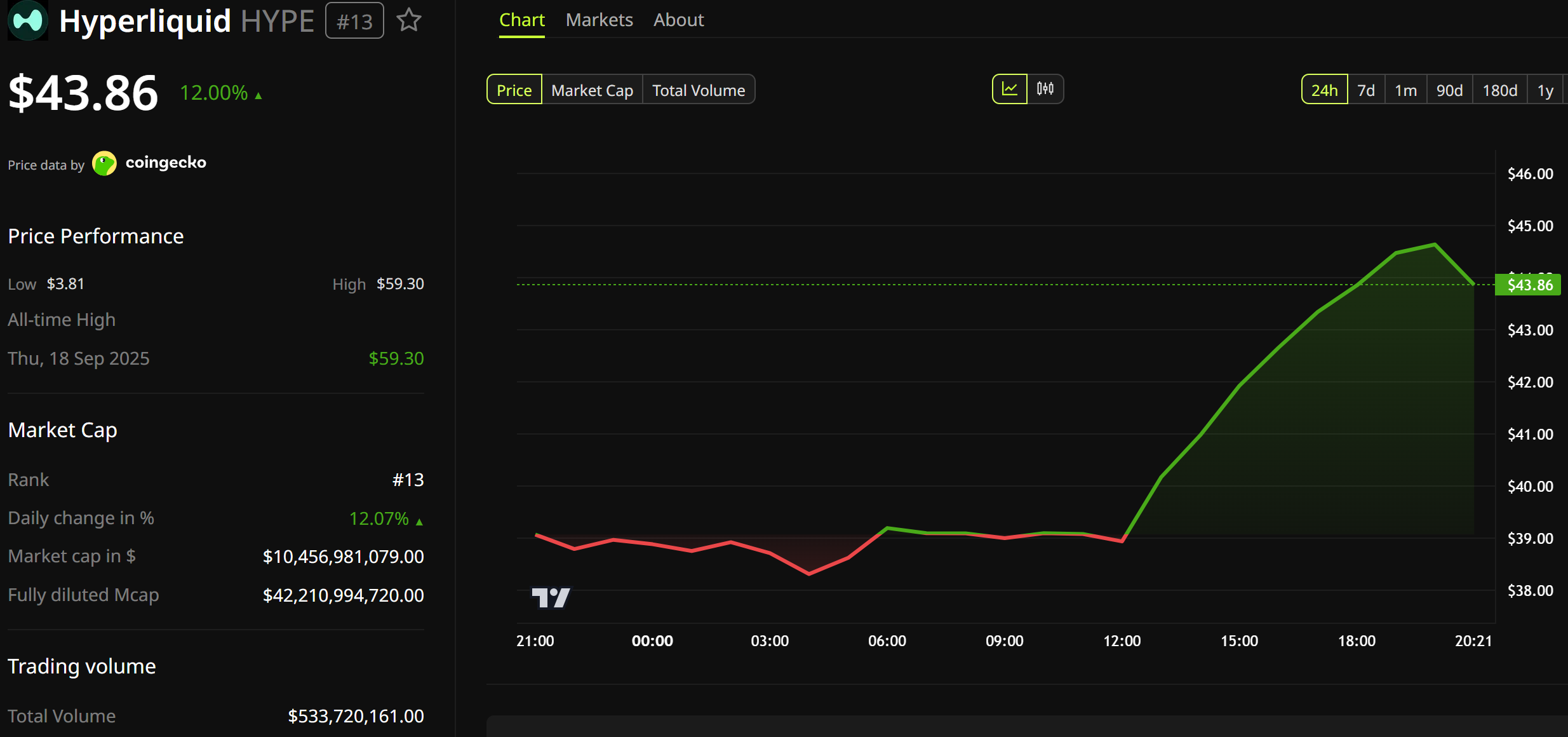
Hyperliquid's 12% price gain following the Senate Banking Committee vote is the clearest market signal of the three that investors believe the CLARITY Act's DeFi safe-harbor provisions represent genuinely transformative regulatory news for fully on-chain infrastructure. Hyperliquid operates a perpetuals exchange built entirely on its own layer-one blockchain, with no custodial components, no off-chain order book, and no broker intermediary in any part of the trading stack. That architecture is precisely what the bill's DeFi safe-harbor language is designed to protect — non-custodial protocols are shielded from broker and dealer registration requirements that would otherwise require them to operate under SEC or CFTC licensing frameworks that were designed for centralized intermediaries and are practically incompatible with immutable smart contract infrastructure. The anti-fraud enforcement provisions in the same section remain intact, preserving regulatory oversight without imposing registration burdens that would make decentralized protocol operation legally impossible for US-accessible platforms.
HYPE enters this legislative moment with no legacy SEC entanglements — unlike XRP, it has never been subject to enforcement action or extended regulatory litigation — and with strong product-market fit in one of crypto's highest-volume sectors. Hyperliquid's perpetuals exchange has crossed $1 trillion in cumulative trading volume, BitGo's custodial support has expanded institutional access, and the 21Shares THYP ETF launched on Nasdaq earlier this month. The combination of institutional infrastructure, clean regulatory history, and an architecture that fits the safe-harbor provisions as cleanly as any protocol in the market creates a setup where final CLARITY Act passage would represent genuine fundamental improvement rather than simply the removal of a risk that was already largely priced in. The remaining path — 60-vote Senate floor passage and House reconciliation — means the timeline for that outcome is uncertain, and the more than 100 amendments already proposed at markup mean language around DeFi treatment could still be modified in ways that affect the upside. But the direction of the legislation and the architecture of Hyperliquid are pointing at each other in a way that the market is clearly beginning to recognize.