



















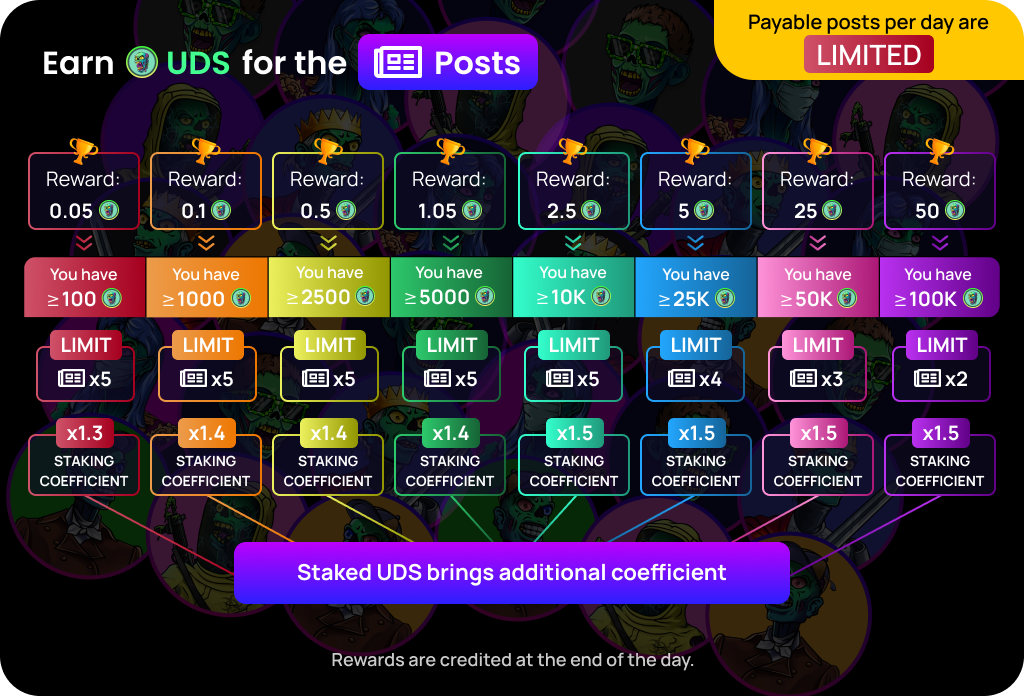
 Earn up to 50% APR
 Boost earnings with NFTs
 Play, HODL & earn more







What Does the CLARITY Act Compromise Actually Propose for Stablecoin Rewards?
-
The CLARITY Act compromise introduced by Senators Thom Tillis and Angela Alsobrooks in May 2026 targets a specific category of exchange-offered stablecoin payouts: those that are "economically or functionally equivalent to the payment of interest or yield on an interest-bearing bank deposit." The proposal would prohibit crypto firms and exchanges from offering that category of reward, while explicitly preserving payouts tied to real platform activity such as payments, transfers, and transaction usage. The practical effect is that a flat APY paid on an idle stablecoin balance with no usage requirement would face restriction, while cashback on stablecoin card purchases, bonuses for on-chain transfers, and rebates tied to payment activity would likely remain permitted.
The implementation details matter enormously and remain unresolved. After enactment, the SEC, CFTC, and Treasury Department would need to publish joint rules defining exactly which reward structures qualify as permitted activity — a rulemaking process that could take months and during which significant uncertainty would exist for both platforms and users. Banking trade groups have already argued the compromise language does not go far enough, specifically flagging membership-program rewards or payouts based on balance size, duration, or account tenure as structures that could still encourage passive holding rather than genuine activity. The Senate Banking Committee markup was expected during the week of May 11, 2026, meaning the legislation's final form remains actively in flux as of publication.
-
Three agencies writing joint rules together SEC, CFTC, and Treasury in one room sounds like a nightmare