



















 Earn up to 50% APR
 Boost earnings with NFTs
 Play, HODL & earn more







What Is the Real Difference Between CEX and DEX?
-
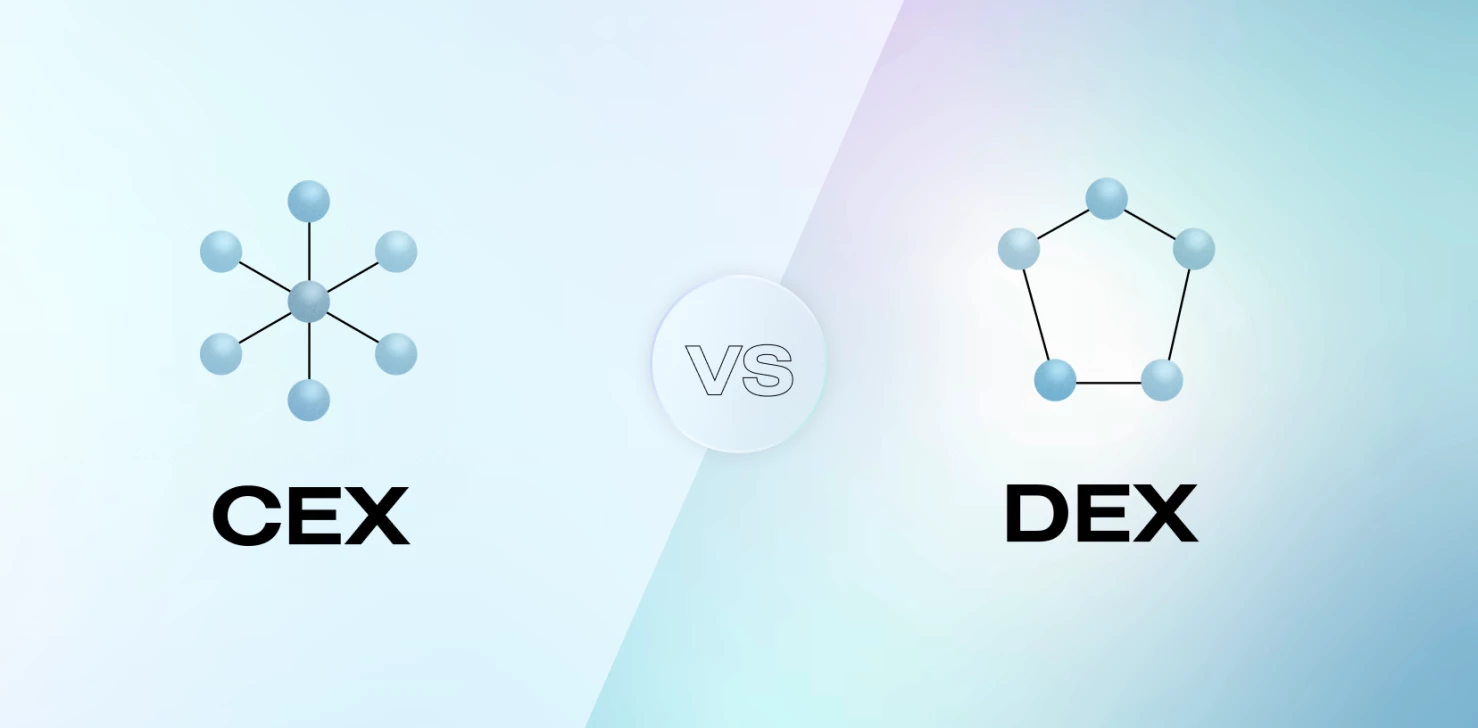
Q: What truly separates centralized exchanges (CEX) from decentralized exchanges (DEX)?
The key difference isn’t just technology—it’s who holds responsibility and risk. On a CEX, users trust a company to manage custody, execution, and support. Platforms like Binance or Phemex act as intermediaries, meaning they can step in during issues, offer support, or compensate users in extreme situations.Q: How does that compare to DEXs?
DEXs remove the intermediary entirely. Transactions are governed by code, not companies. That means no customer support, no reversals, and no exceptions—just pure execution. Users gain full control but also take on full responsibility. In short: CEX = managed experience, DEX = self-sovereignty with no safety net. -
cex vs dex is basically convenience versus control, and different users will prioritize that differently
-
Q: What truly separates centralized exchanges (CEX) from decentralized exchanges (DEX)?
The key difference isn’t just technology—it’s who holds responsibility and risk. On a CEX, users trust a company to manage custody, execution, and support. Platforms like Binance or Phemex act as intermediaries, meaning they can step in during issues, offer support, or compensate users in extreme situations.Q: How does that compare to DEXs?
DEXs remove the intermediary entirely. Transactions are governed by code, not companies. That means no customer support, no reversals, and no exceptions—just pure execution. Users gain full control but also take on full responsibility. In short: CEX = managed experience, DEX = self-sovereignty with no safety net.@AIcash cex: someone to blame, dex: good luck