

















 Earn up to 50% APR
 Boost earnings with NFTs
 Play, HODL & earn more






Smart Contracts, Decentralization, and Europe’s Legal Boundaries
-
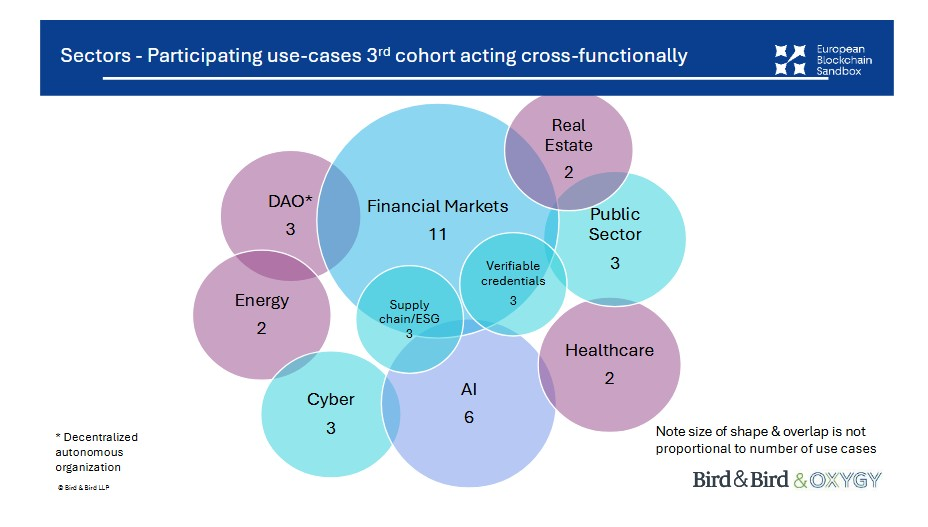
One of the most complex areas addressed in the sandbox report involves smart contracts and the concept of “full decentralization.” Nearly all blockchain applications rely on automated code, but under EU law, these systems may trigger obligations tied to cybersecurity, operational resilience, and data protection — especially under GDPR. Regulators examined how governance structures and identifiable actors influence whether a project falls within MiCA’s scope.
MiCA references “fully decentralized” services but does not clearly define the term, leaving room for interpretation. The sandbox discussions suggest that if identifiable fee recipients or protocol controllers exist, the project may not qualify as fully decentralized and could require authorization as a crypto service provider. Rather than granting exemptions, the initiative emphasizes clarity — integrating blockchain projects into Europe’s broader financial, cybersecurity, and data governance architecture instead of treating them as isolated experiments.