

















 Earn up to 50% APR
 Boost earnings with NFTs
 Play, HODL & earn more





Most Crypto Projects Get Tokenomics Wrong and It Usually Shows After Launch
-
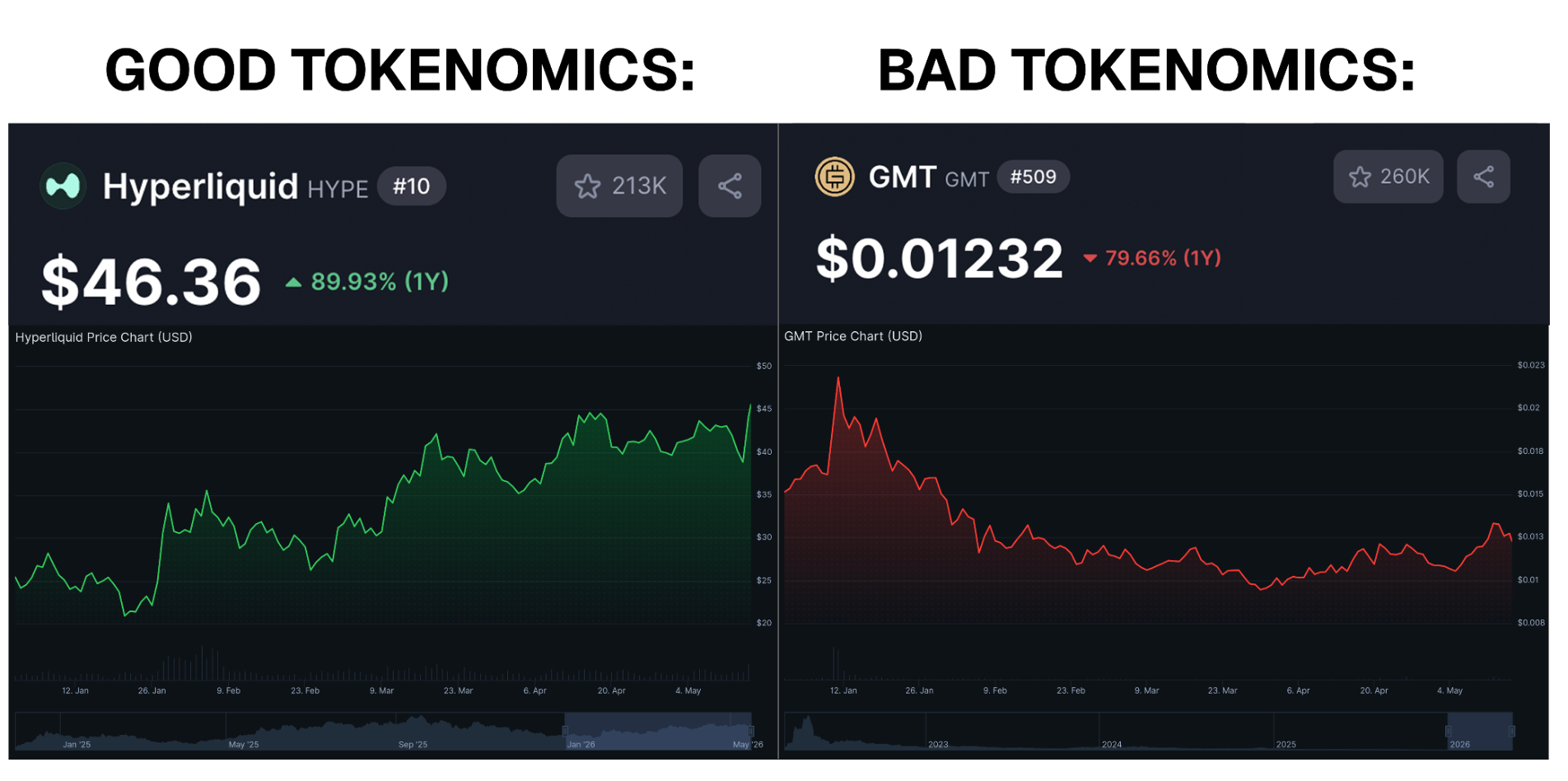
When a crypto project publishes its tokenomics, what most people see is a supply chart showing who gets what percentage of tokens and when those tokens unlock. Many early-stage founders learn tokenomics through these kinds of posts and begin treating it as nothing more than a distribution table. But real tokenomics goes much deeper than that. It should explain why the token exists, how it creates value, who needs it, how demand may develop after launch, and how investors can eventually exit. A supply table is one piece of a much larger economic document, not the document itself.
The consequences of getting this wrong tend to surface right after the token generation event. Users receive the token and immediately ask why they should hold it. Investors look for exit conditions that were never clearly defined. Market makers face unclear demand signals. At that point, tokenomics stops being economic design and becomes repair work done under pressure. Projects that skip the deeper economic thinking during the design phase often survive only one to three months post-launch before early buyers exit, reward emissions create sustained sell pressure, and the project has no real mechanism to rebuild demand or retain users.
-
Post-TGE sell pressure from undefined exit conditions and reward emissions following predictable one to three month failure pattern