


















 Earn up to 50% APR
 Boost earnings with NFTs
 Play, HODL & earn more






Ledger vs Trezor vs Coldcard — Which Hardware Wallet Should You Actually Buy?
-
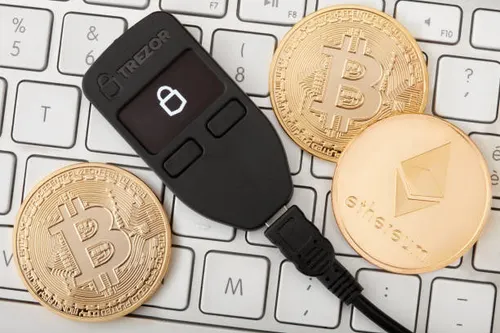
The right hardware wallet depends on what you are holding, how technically comfortable you are, and how seriously you take security. Ledger Nano X is the most popular choice for general crypto holders because it supports over 5,000 assets, integrates cleanly with Ledger Live for portfolio management, includes Bluetooth for mobile use, and has a straightforward setup process that does not require technical knowledge. The tradeoff is that Ledger uses a proprietary secure element chip whose firmware is not fully open source, which has made some security researchers uncomfortable — and the company's 2020 customer data breach damaged trust despite not compromising any private keys. For the majority of retail crypto holders who prioritize broad asset support and ease of use over maximum auditability, Ledger remains the most practical choice.
Trezor Model T appeals to users who prioritize open-source transparency above all else. The entire firmware stack is publicly auditable, which means security researchers can verify exactly what the device is doing with your keys. Trezor does not use a proprietary secure element, which purists prefer from an auditability standpoint but which creates a different security tradeoff around physical extraction attacks. For Bitcoin-only holders who want the highest available security and are comfortable with a steeper learning curve, Coldcard Mk4 is the gold standard. It supports air-gapped transaction signing using a microSD card — meaning the device never needs to be physically connected to any computer at all — and includes features like a duress PIN that opens a decoy wallet under coercion. The practical recommendation for most people is Ledger for broad multi-asset convenience, Trezor for open-source transparency with a similar ease-of-use level, and Coldcard for anyone holding significant Bitcoin who wants to take security seriously enough to learn the more advanced operational model it requires.