


















 Earn up to 50% APR
 Boost earnings with NFTs
 Play, HODL & earn more






South Korea's 2027 Tokenized Securities Framework Is the Most Comprehensive Blockchain Finance Law Yet Attempted in Asia
-
The February 4, 2027 implementation date for South Korea's amended Capital Markets Act and Electronic Securities Act represents a regulatory milestone that the broader tokenization industry should be watching closely. The framework will legally recognize blockchain ledgers as valid securities registries — a foundational change that elevates distributed ledger infrastructure from a technology experiment to a recognized component of the country's official financial record-keeping system. This is a more structurally significant step than simply permitting crypto trading or creating a licensing regime for exchanges: it means that a security recorded on a blockchain has the same legal standing as one recorded in a traditional central securities depository, with the same investor protection, settlement finality, and dispute resolution mechanisms applying to both. The FSC's July rules package will define exactly how stocks, bonds, money market funds, and fractional investment products can be tokenized within that framework, giving issuers and market participants the specific technical and legal requirements they need to begin building compliant infrastructure before the law takes effect.
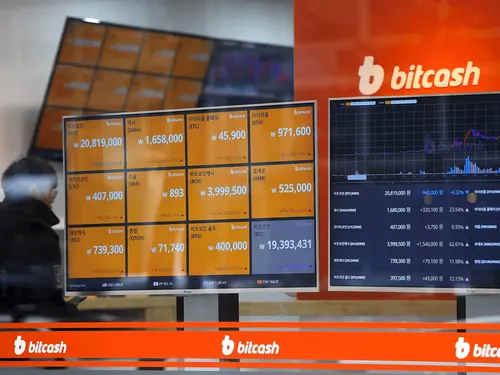
The surrounding policy environment reinforces the July announcement's significance. Samsung SDS is building South Korea's blockchain-based securities platform for the Korea Securities Depository with a February 2027 completion target — directly aligned with the framework's implementation date. The Bank of Korea's new governor has endorsed tokenized deposits. The Ministry of Economy and Finance is piloting tokenized deposit government spending with a Q4 2026 rollout. Shinhan Card, one of South Korea's largest credit card companies, has partnered with Solana to test real-world stablecoin payments. The country's largest crypto market — won-denominated trades accounting for 30% of global spot crypto volume — is simultaneously heading toward a 22% capital gains tax in January 2027. The combination of a comprehensive tokenized securities framework, institutional blockchain infrastructure development, and a maturing regulatory environment for crypto trading positions South Korea as the most active jurisdiction in Asia for blockchain-based financial system integration — a development that will reshape how global capital flows into and through the Korean financial system over the next several years.
-
Blockchain ledger legal recognition as valid securities registry being more structurally significant than exchange licensing or trading permissions