



















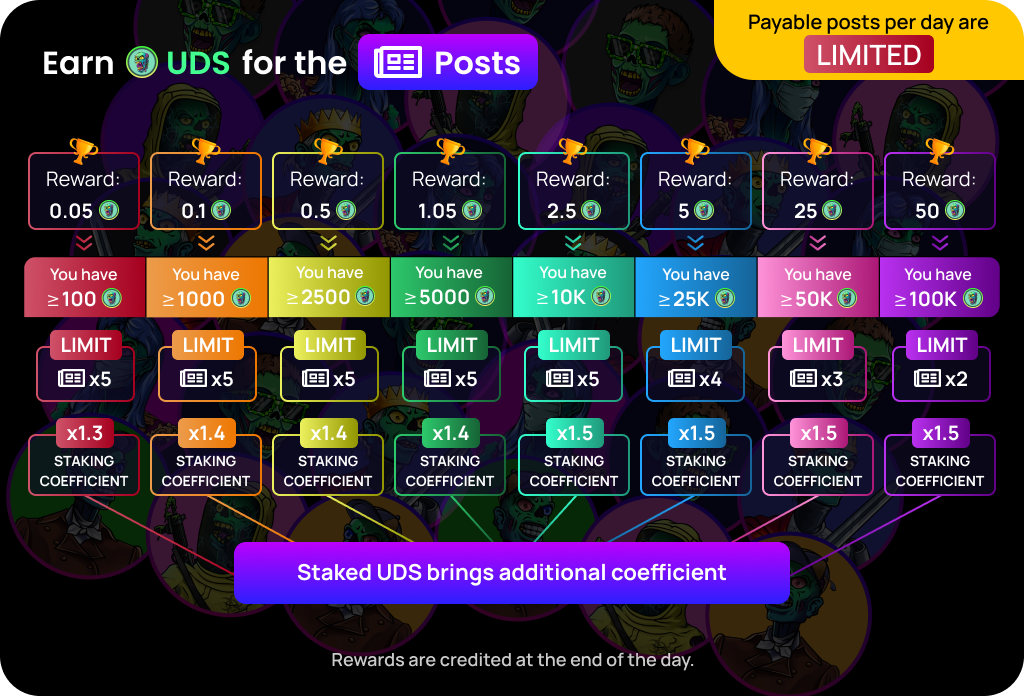
 Earn up to 50% APR
 Boost earnings with NFTs
 Play, HODL & earn more







GM's IT Layoffs Are a Template for How Enterprise AI Adoption Actually Works
-
General Motors cutting 600 IT workers while simultaneously hiring for AI-native roles is the clearest large-scale example yet of what enterprise AI adoption looks like in practice — and it looks nothing like the productivity-tool narrative that dominated the early AI conversation. Adding Copilot to Microsoft Office or deploying an AI chatbot for customer service does not require rebuilding a workforce. Building AI agents that operate autonomously across complex enterprise systems, training models on proprietary data, and engineering the infrastructure that makes those systems reliable at scale requires an entirely different kind of technical talent than the IT professionals who maintain legacy systems and manage traditional software deployments. GM's layoffs are not about AI making workers more productive — they are about AI requiring workers with fundamentally different skill sets than the ones the company currently has.
For anyone tracking where enterprise technology hiring is heading, the specific capabilities GM is recruiting for are a direct signal: agent development, model engineering, prompt engineering at scale, and AI-native workflow design. These are not roles that can be filled by retraining existing IT staff in most cases — they require backgrounds in machine learning, data science, and AI systems architecture that traditional enterprise IT organizations have not historically needed to recruit for. The same pattern is visible at Cloudflare, which cut 20% of its workforce while reporting record revenue and explicitly attributing the reduction to AI-driven productivity gains among its remaining engineers. What GM and Cloudflare are doing independently points at the same destination: the enterprise workforce is being rebuilt around AI builders rather than AI users, and the transition is happening faster and more deliberately than most workers in traditional IT roles have yet recognized.