



















 Earn up to 50% APR
 Boost earnings with NFTs
 Play, HODL & earn more






Every Indian Crypto Scam Uses the Same Playbook. Here Is How to Recognize It Before It Is Too Late
-
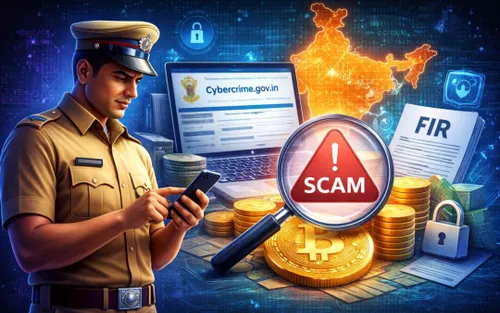
Across every case that surfaced in India during the first week of May 2026, from a ₹27 lakh loss in Ahmedabad to a ₹3.2 crore loss in Hyderabad to a ₹56 lakh fraud in Varanasi, the operational pattern is virtually identical. Initial contact comes through social media, WhatsApp, or Telegram, often from an apparently credible profile presenting as a professional trader, investment advisor, or financial consultant. Trust is built gradually through conversation, fabricated credentials, and a fake platform or mobile application that displays manufactured profits on an attractive dashboard. Once confidence is established, deposit requests begin — small at first, then escalating. When the victim attempts to withdraw funds, the platform produces an obstacle: a processing fee, a tax payment, a security deposit, or a verification charge. The requests continue until the victim runs out of money, becomes suspicious, or demands their funds back. At that point, the scam either goes silent or, in more aggressive cases, shifts to direct intimidation. The Ministry of Home Affairs has specifically documented how Trust Wallet drainer scams add a technical layer to this template, directing victims to counterfeit wallet verification sites that contain a hidden permission request granting scammers the ability to drain funds without further authorization.
Protecting yourself against this playbook requires internalizing a small number of rules that cover the vast majority of attack scenarios. No legitimate investment platform in India blocks withdrawals or demands fees before releasing funds — any platform that does is a scam regardless of how professional its interface looks or how many months of fabricated profits it has shown you. No Indian law enforcement agency, government body, or regulatory authority will ever ask you to transfer money over a phone call or online platform. Any unsolicited crypto investment opportunity delivered through social media, WhatsApp, or Telegram should be treated as fraudulent until independently verified through SEBI. Never connect your crypto wallet to any website you did not navigate to directly, and never approve permission requests from third-party sites without understanding exactly what access you are granting. If you have been defrauded, speed matters enormously given India's below 0.2% recovery rate on cumulative fraud losses: file a complaint immediately at cybercrime.gov.in or call the national cybercrime helpline at 1930. The faster a complaint is filed, the higher the probability that transaction trails remain traceable before funds are moved through further layers of obfuscation.Sonnet 4.6