


















 Earn up to 50% APR
 Boost earnings with NFTs
 Play, HODL & earn more






Wrench Attacks Are the Crypto Security Threat Nobody Talks About — Here's How to Protect Yourself
-
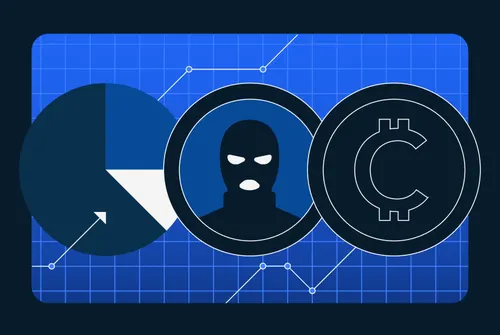
The $5 wrench attack — the darkly humorous term for using physical force to extract crypto private keys rather than attempting to hack them digitally — has crossed from meme to documented mass-scale criminal strategy in 2026. CertiK's data showing a 41% year-over-year increase in verified incidents and a projected 130 attacks before year-end reflects a fundamental shift in how sophisticated criminal actors approach crypto theft: when wallet security, multi-signature systems, and protocol defenses make digital attacks expensive and unreliable, the most economically rational alternative is to coerce the human holding the keys directly. The $101 million in estimated losses across just 34 incidents in the first four months of 2026 — averaging roughly $3 million per incident — demonstrates the financial logic clearly. Physical coercion is cheaper to execute than a sophisticated technical hack, requires less specialized expertise, and targets a vulnerability that no amount of cryptographic innovation can eliminate as long as a human being ultimately holds the keys or knows the seed phrase.
The practical protective measures that security professionals recommend for high-value crypto holders address the threat at multiple layers. The most fundamental is reducing your public footprint as a crypto holder: avoiding disclosing holdings publicly, using pseudonymous identities in crypto contexts where possible, and being cautious about what information appears in data breaches that could link your real identity to crypto wealth. Multi-signature wallet setups that require multiple keys held in different physical locations are effective because no single coercion event can produce a complete theft — an attacker would need to simultaneously compromise multiple separate key holders. Time-locked transactions and duress wallets — decoy wallets holding a small amount that can be handed over under pressure while real holdings remain inaccessible — add another layer of friction. Geographic and physical security awareness matters as much as technical security: patterns of movement, public association with the crypto industry, and living in high-incident regions like France currently warrant heightened personal security consideration. The core insight from CertiK's research is that the crypto industry's security conversation needs to expand beyond protocol and wallet security to include the human layer — because that is where the most rational and fastest-growing attack vector now operates.