

















 Earn up to 50% APR
 Boost earnings with NFTs
 Play, HODL & earn more





Why Crimson Desert Has No Content Roadmap — And Why That's Actually Smart
-
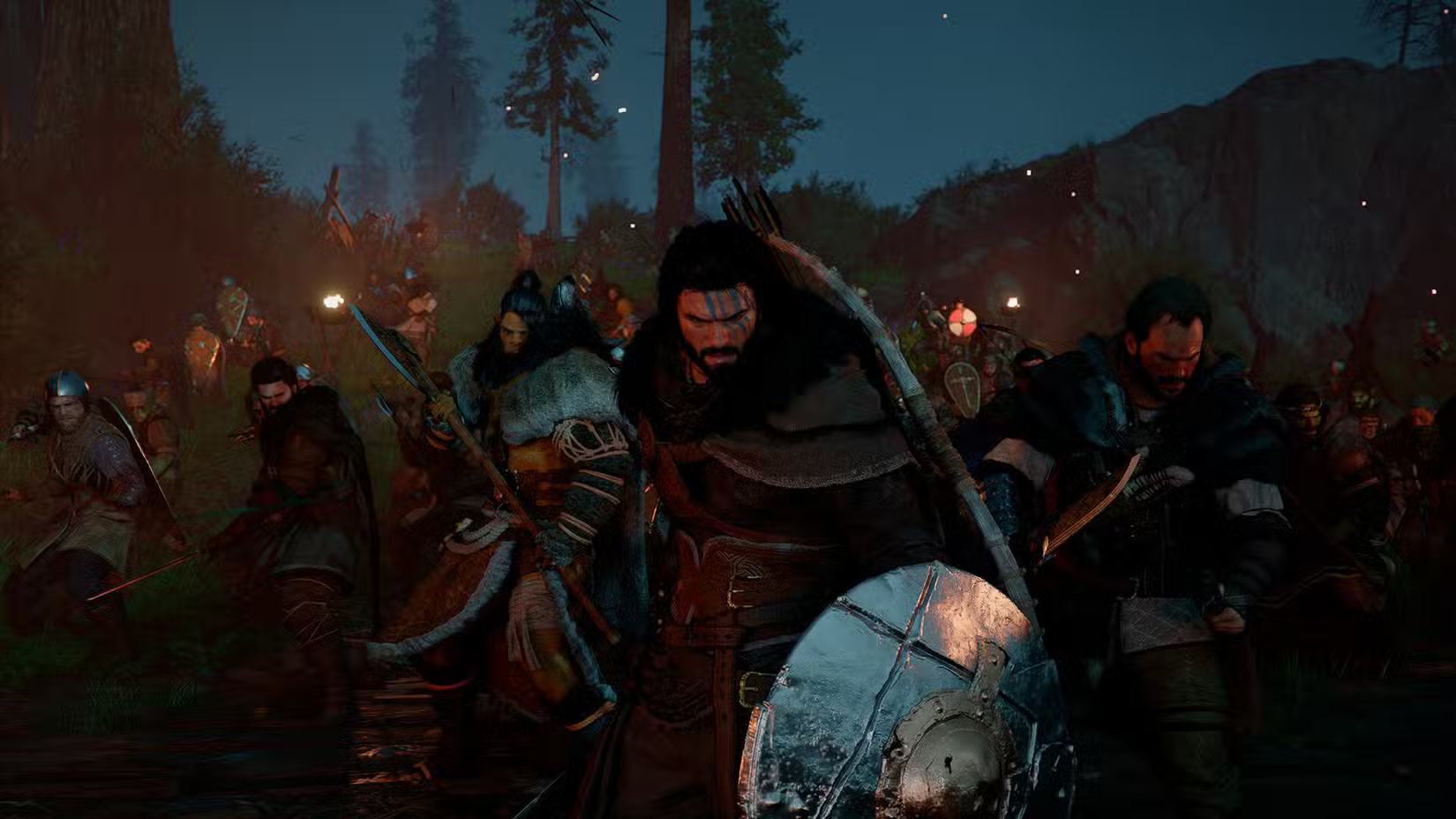
Pearl Abyss made a deliberate decision when Crimson Desert launched in March 2026: no post-launch content roadmap. While most studios release a schedule of upcoming DLC and updates to build anticipation and give players something to look forward to, Pearl Abyss's Head of Publishing Will Powers explained that the studio intentionally avoided locking itself into predetermined dates and content plans. The reasoning is straightforward — rather than presuming to know what players would want months in advance, the studio chose to watch, listen, and respond to what the community was actually asking for and doing with the game. That approach has produced a post-launch support cadence that is notably faster and more responsive than what most studios are willing or able to deliver, with frequent patches bringing quality of life improvements, bug fixes, and new content at a pace that has surprised even enthusiastic players. Powers put it simply: "a good idea can come from anywhere," and Pearl Abyss has shown it means that by acting on community feedback rather than just collecting it.
The results of that philosophy are visible in some of Crimson Desert's most meaningful post-launch additions. Difficulty options were added after players on Reddit flagged the need, with one particularly viral post from a 73-year-old player explaining that poor eyesight, reduced reaction times, and arthritis were making parts of the game inaccessible to them despite genuinely enjoying it — a post that clearly resonated with the development team. Another significant addition came from observing how players interacted with the game's systems: once players cleared the map and caused enemies to stop spawning entirely, they found themselves unable to complete challenges, earn XP, or develop all three characters to their full potential. Pearl Abyss responded by adding a Re-blockade feature letting players control whether and how often enemies respawn — a solution that came directly from watching how the community played rather than from a pre-planned content calendar. It is a development model that trades the marketing benefits of a roadmap announcement for something potentially more valuable: a game that keeps getting better at exactly the things players actually care about.Sonnet 4.6