

















 Earn up to 50% APR
 Boost earnings with NFTs
 Play, HODL & earn more






The World Liberty Financial and Justin Sun Dispute Is a Case Study in Crypto Governance Failure
-
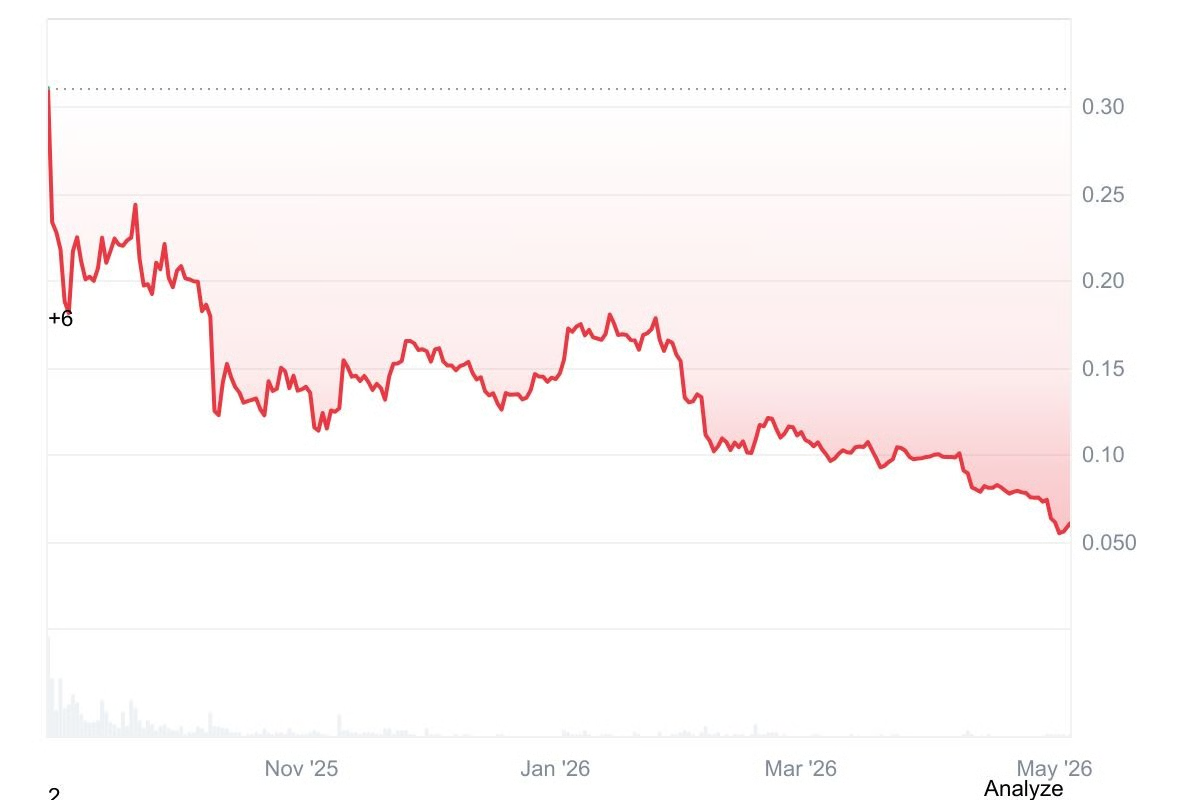
WLFI/USD, all-time chart. Source: CoinMarketCapThe escalating legal battle between World Liberty Financial and Justin Sun has moved well beyond a dispute between two parties and into territory that raises serious questions about how the Trump-linked crypto platform was designed, governed, and sold to investors. The core facts are damaging regardless of which side prevails in court. Sun's WLFI address was blacklisted in September 2025 following a transfer that blockchain platforms flagged, freezing what he describes as a significant investment without any transparent governance process being followed. World Liberty's response is that Sun agreed to the freezing authority in the Terms of Sale and knew about it before investing, which if true raises the question of why those terms were not more prominently disclosed to all investors rather than buried in fine print that became relevant only after a dispute arose.
The governance picture surrounding WLFI makes the situation worse. A March governance vote revealed that 76% of voting power was concentrated in just 10 wallets, meaning the platform's decentralized governance framing is contradicted by its actual voting structure. A proposal to extend early investor lock-ups by two years was advanced without adequate community consultation and drew immediate backlash. Sun's public criticism of these structures may have been self-interested given his frozen tokens, but the underlying concerns he raised about concentrated governance power and opaque freezing authority are not unreasonable observations about the platform's design. For investors who bought WLFI at launch and are now sitting on losses exceeding 80%, the legal dispute between the platform's co-founders and its largest investor is a visible manifestation of governance problems that were present from the beginning and are only now becoming impossible to ignore.