

















 Earn up to 50% APR
 Boost earnings with NFTs
 Play, HODL & earn more






Brain Data Is More Intimate Than a Heart Rate and Here Is How Neurable Is Handling Privacy
-
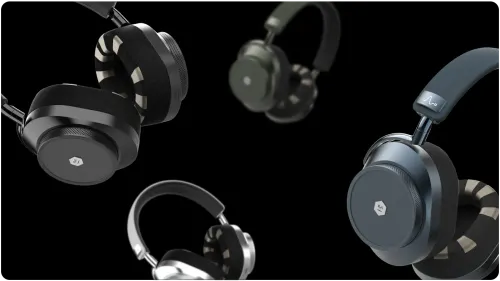
Neurable's pitch to consumer wearables manufacturers raises a question that goes beyond product design: what happens to the brain data being collected? Neural data is arguably the most intimate form of biometric information a device can capture, encoding not just physical states but cognitive patterns, attention levels, emotional responses, and potentially much more over time. Neurable CEO Ramses Alcaide said the company ensures user data is protected, encrypted, and anonymized, and that Neurable follows HIPAA standards at a level he describes as going above and beyond what most startups at the same stage would implement. The company's privacy policy outlines specific guidelines for when and how user data can be accessed and used.
On the question of whether neural data is used to train Neurable's AI, Alcaide was specific: it can be, but only with explicit user consent and only for particular defined experiments rather than broad general training. The company does not collect and train on data without targeted consent for each specific use case. Whether these protections will prove sufficient as the technology scales and enters millions of consumer devices is a question the industry has not yet had to answer at meaningful scale. Alcaide described the current moment as an inflection point where a real and scalable business model for neurotechnology finally exists. What comes after that inflection point, in terms of both commercial opportunity and the regulatory frameworks governing neural data, remains the most significant open question in a space that is moving from science fiction to everyday consumer hardware faster than most people have noticed.