



















 Earn up to 50% APR
 Boost earnings with NFTs
 Play, HODL & earn more







Food Inflation Hits 7.9% — And the Worst May Still Be Coming
-
US food and beverage inflation surged 7.9% year-over-year in March, the biggest jump in at least 12 months and a 373 basis point acceleration from February's 4.2% reading. The price increases hitting store shelves right now are being driven largely by higher fuel costs, but analysts warn the full impact of rising fertilizer and plastics prices has not yet filtered through the supply chain. Tomatoes posted a staggering 102% year-over-year increase, vegetables rose 90%, and diesel climbed 88% — numbers that signal the pain is broad-based rather than concentrated in a single category. The more alarming detail is what comes next: urea, the world's most widely used nitrogen fertilizer, has roughly doubled since February to approximately $900 per metric ton, a level not seen since 2022, and a survey by the American Farm Bureau Federation found that 70% of farmers say fertilizer is now so expensive they cannot afford to buy all they need.
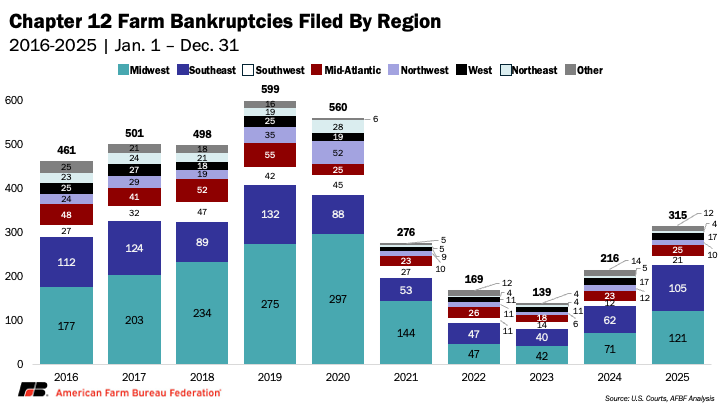
The structural backdrop makes the outlook worse. Chapter 12 farm bankruptcy filings rose 46% to 315 cases in 2025 — the third consecutive annual increase — and economists are projecting a fourth straight year of declining farm income across both crop and livestock sectors. The global dimension compounds the domestic pressure: the ongoing disruption of the Strait of Hormuz, a critical chokepoint for fertilizer exporters, is keeping supply constrained at exactly the moment farmers need it most. Baker Hughes is operating under the assumption that the Strait will not fully reopen until the second half of 2026, and nearly 80% of energy executives surveyed by the Dallas Fed expect it to remain closed until August or later. With fertilizer prices elevated, farms financially stretched, and a key shipping lane likely to stay restricted for months, the forces driving grocery prices higher are not easing — they are building. -
Urea doubling to $900/MT since February while 70% of farmers say they can't afford full fertilizer needs means this year's harvest is structurally constrained before a single seed is planted — 2026 grocery prices are already baked in.