

















 Earn up to 50% APR
 Boost earnings with NFTs
 Play, HODL & earn more





The Kelp DAO Hack Aftermath: What the DeFi United Response Tells Us About the Ecosystem
-
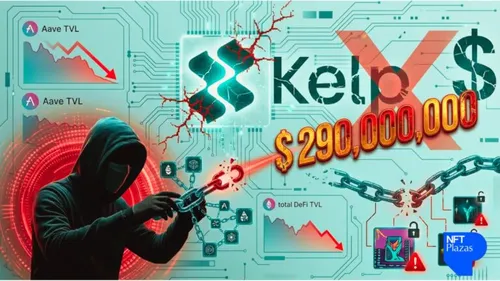
The coordinated response to the Kelp DAO exploit is unprecedented in DeFi — and the way it has unfolded reveals both the strengths and vulnerabilities of the ecosystem in equal measure. On the positive side, the speed with which major protocols including Aave, Lido, Ether.fi, Mantle, and Arbitrum mobilized around a shared recovery framework demonstrates that the sector has matured enough to respond collectively to systemic threats rather than retreating into self-interest. The willingness of Aave Labs to propose an on-chain governance mechanism to redirect frozen attacker funds — rather than simply absorbing the loss — shows creative use of the tools available to decentralized systems.At the same time, the scale of the damage underscores the systemic risk that comes with deeply interconnected DeFi protocols. A single exploit on one restaking platform cascaded into $190 million in bad debt on Aave, triggered billions in withdrawals, and destabilized rsETH across multiple chains — all because the attacker understood how the collateral and lending systems connected. The Arbitrum Security Council's ability to freeze attacker funds was a meaningful intervention, but it also raised governance questions about how much centralized emergency power should exist within a supposedly decentralized network. How the Arbitrum DAO votes on Aave's proposal to redirect those funds will be a significant test of whether DeFi governance can act decisively at the scale the ecosystem now demands.