



















 Earn up to 50% APR
 Boost earnings with NFTs
 Play, HODL & earn more






Why Crypto Phishing Scams Keep Working Despite Years Of Warnings
-
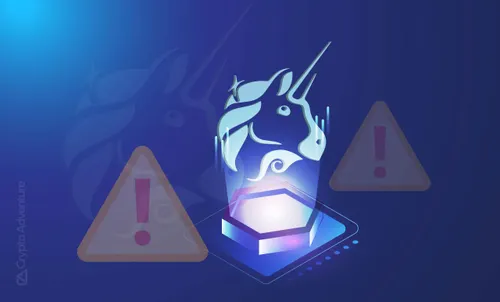
Uniswap founder Hayden Adams warned months ago that fake crypto apps and phishing websites were becoming a massive problem — and now another fake Uniswap site has reportedly drained around $400,000 from users.The reality is that most phishing attacks today no longer look “obviously fake.”
Modern crypto scams now use:
• Professional-looking websites
• Google sponsored ads
• Fake wallet prompts
• Clone interfaces nearly identical to real DeFi appsMany users lose funds simply by clicking the wrong search result and signing a malicious approval request.
Security firms continue recommending the same core protections:
• Never trust sponsored search links
• Bookmark official protocol websites
• Revoke unused token approvals regularly
• Double-check wallet permissions before signingAs crypto adoption grows, phishing attacks are increasingly targeting ordinary users rather than sophisticated traders — making basic operational security more important than ever.
-
Phishing is getting more sophisticated every year.
-
One wrong signature can cost your entire wallet.
-
Sponsored search results aren't always your friend.
-
Security is more important than chasing the next airdrop.
-
The weakest link is often human error.
-
Wallet hygiene should be part of every crypto routine.
-
Convenience can be expensive in crypto.
-
Trust, but verify. Every single time.
-
This is why hardware wallets and caution matter.
-
Scammers only need one mistake. Stay sharp.
-
Many users lose funds simply by clicking the wrong search result and signing a malicious approval request.