

















 Earn up to 50% APR
 Boost earnings with NFTs
 Play, HODL & earn more





Procrastination Is Costing You Freelance Income. Here Is How to Break the Cycle
-
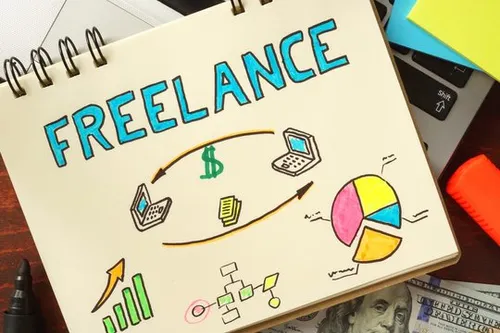
Every freelancer knows the feeling: an important deadline is approaching, the work is sitting open on the screen, and somehow the kitchen suddenly needs cleaning. Procrastination is not a character flaw — it is a pattern that almost everyone deals with — but for freelancers it carries a direct financial cost that employed workers do not face in the same way. A missed deadline damages client relationships, reduces the likelihood of repeat work, and can turn a profitable project into an unpaid rush job. The fix starts with how deadlines are set rather than how they are met. Working backwards from when a client needs the output, honestly assessing whether it is achievable given your actual working habits, and building a buffer for delays before agreeing to a timeline gives you a deadline you can commit to rather than one you are already behind on the moment you accept it. If the timeline genuinely does not work, negotiating — either for more time or a higher rate to compensate for the overtime pressure — is a professional conversation, not a sign of weakness.
Once deadlines are set realistically, the productive use of that time comes down to two practical habits. Breaking large projects into smaller defined chunks that can each be completed in a single focused session removes the paralysis that comes from staring at an enormous undefined task. Planning on a weekly rather than daily basis builds in tolerance for off days without derailing the overall schedule — low-productivity days are normal, and accounting for them in advance is the difference between a minor setback and a crisis. Choosing a method that matches how you naturally work — whether that is the Pomodoro technique's 25-minute focused intervals or longer uninterrupted blocks — and holding yourself accountable to it consistently is more important than which specific method you choose.
-
holding yourself