


















 Earn up to 50% APR
 Boost earnings with NFTs
 Play, HODL & earn more







MercurySteam's Layoffs Are Another Reminder of How Brutal the Gap Between Projects Is in Game Development
-
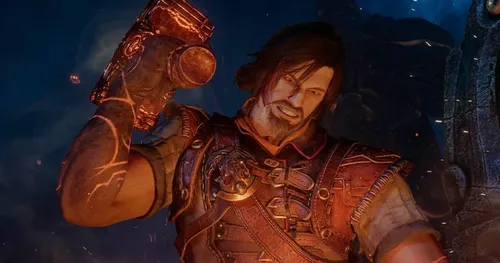
MercurySteam's announcement joins a long and still-growing list of game development studios that have conducted layoffs over the past two years, including Epic Games as recently as March. The pattern has become so consistent that describing any individual studio's cuts as surprising feels increasingly inaccurate — the video game industry is in the middle of a sustained contraction that has affected companies of every size, from independent studios to the largest publishers in the world. The immediate cause at MercurySteam is straightforward: Blades of Fire underperformed commercially, reducing the revenue that would normally sustain a full staff through the gap between shipping one project and beginning serious production on the next. That gap is one of the most financially precarious periods in a studio's lifecycle, and a game that does not hit its sales targets makes it significantly worse.
The broader concern the industry is grappling with is where the talent displaced by these layoffs ends up. Some will find positions at other studios. Some will move into adjacent industries where their skills transfer — tech, film, education — and may not return. The cumulative effect of two years of consistent layoffs across the industry is a gradual erosion of the experienced development talent pool that takes years to rebuild, and the games that do not get made because of it are invisible in a way that makes the damage easy to underestimate. For MercurySteam specifically, the hope is that a Nintendo project provides a runway back to full capacity — Metroid Dread demonstrated the studio can produce work at the highest level of the industry, and that track record is exactly the kind of credential that should help both the studio and its affected employees find their footing quickly.