



















 Earn up to 50% APR
 Boost earnings with NFTs
 Play, HODL & earn more







India's Crypto Fraud Epidemic Is Getting Worse. Here Is What the First Week of May Revealed
-
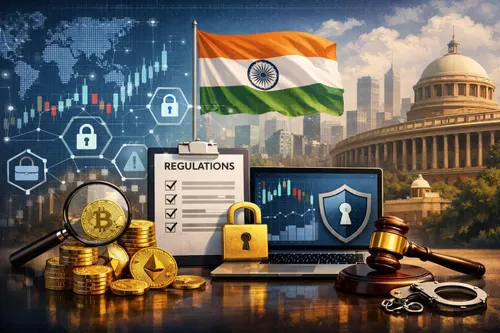
The first seven days of May 2026 produced a concentration of cryptocurrency fraud cases across India that would normally fill an entire quarter of enforcement reporting. From a social media investment con in Ahmedabad that cost an artist ₹27 lakh, to a Varanasi fraud that escalated into blackmail and a victim's suicide, to Mumbai police arresting a suspect in a WhatsApp-based crypto scheme involving over ₹60 lakh, the cases span multiple states, multiple tactics, and millions in combined losses. The Enforcement Directorate simultaneously declared crypto fraud a top enforcement priority at its 70th anniversary celebration, filed a second chargesheet in the ₹2,200 crore HPZ Token scam, and the Ministry of Home Affairs issued a formal advisory detailing step-by-step how Trust Wallet drainer scams operate against Indian users. The breadth and pace of developments in a single week reflects a fraud ecosystem that has reached a scale Indian institutions are visibly struggling to contain.The macro numbers tell the full story.
Over 24 lakh cybercrime complaints were filed on India's National Cyber Crime Reporting Portal in 2025 alone, with reported fraud losses amounting to ₹22,495 crore, approximately $2.37 billion. The recovery rate is devastating: of the ₹36,448 crore in cumulative losses reported since the portal launched, only ₹60.52 crore has actually been returned to victims, a recovery rate below 0.2%. Reported crypto scam cases jumped from roughly 1,300 in previous fiscal years to more than 11,700 in the first eight months of the current fiscal year, an increase of over 700%. Government data indicates that 82% of victims fall between the ages of 20 and 40, and an estimated 41% of Indian crypto users trade on offshore platforms outside domestic regulatory oversight. The infrastructure to fight crypto fraud is catching up, with new Income Tax Bill powers from April 2026 allowing authorities to access crypto wallets during authorized searches and a dedicated darknet and cryptocurrency task force established under the Multi-Agency Centre. The scammers, as May's first week has shown once again, are still getting there first.
-
Scammers getting there first while task forces get established, perpetual infrastructure gap running in criminals' favor