



















 Earn up to 50% APR
 Boost earnings with NFTs
 Play, HODL & earn more







Deepfakes Are Now a Mass-Market Threat And Detection Is Falling Behind
-
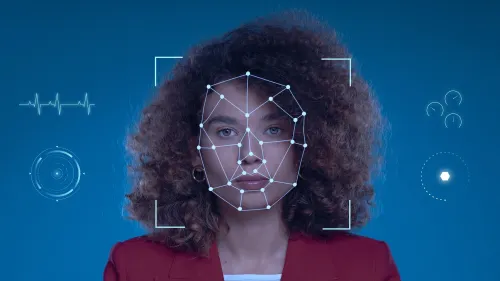
The deepfake problem has crossed a threshold in 2026 that makes it qualitatively different from the concern it represented just a year ago. The tools producing convincing AI-generated video, fake identification documents, and real-time face swaps are no longer experimental or expensive — they are consumer-grade subscription products available to anyone with a few hundred dollars and a laptop. In early May alone, documented incidents spanned politics, entertainment, and crime across multiple countries simultaneously. FBI Director Kash Patel posted a video appearing to use AI to recreate shots nearly identical to the Beastie Boys' "Sabotage" music video. An AI-generated video of mayoral candidate Spencer Pratt drew 4.1 million views on X. A Chicago man lost $69,000 to a scammer who flashed an AI-generated US Marshals badge on a video call. Reporter Joseph Cox demonstrated live on a Teams call that Haotian AI, a Chinese real-time deepfake product costing a few hundred dollars, could convincingly swap faces in real time — functional, commercially available, and already being used against real victims.
The Atlantic's reporting on ChatGPT Images 2.0 adds another dimension: the tool can generate fake IDs, prescriptions, receipts, bank alerts, and news screenshots convincingly enough to challenge the fraud detection systems that banks, hospitals, and government agencies rely on. "All of this makes it even harder for banks, hospitals, government agencies, and the like to prevent fraud," the Atlantic's Lila Shroff wrote. Resemble AI, which tracks deepfake incidents weekly, framed the structural problem clearly: the incidents of a single week came from completely different categories and geographies but shared one common condition — the tools used were consumer-grade, widely available, and improving faster than any institutional response can match. That asymmetry between how quickly the offensive tools are improving and how slowly defensive and detection infrastructure can adapt is the defining challenge of the current moment, and there is no near-term sign that the gap is closing.
-
Real-time face swap for a few hundred dollars on a laptop, fraud just became disturbingly accessible and affordable