



















 Earn up to 50% APR
 Boost earnings with NFTs
 Play, HODL & earn more








Federal Judge Clears Path for $71 Million Frozen ETH to Move to Aave in Kelp Exploit Recovery
-
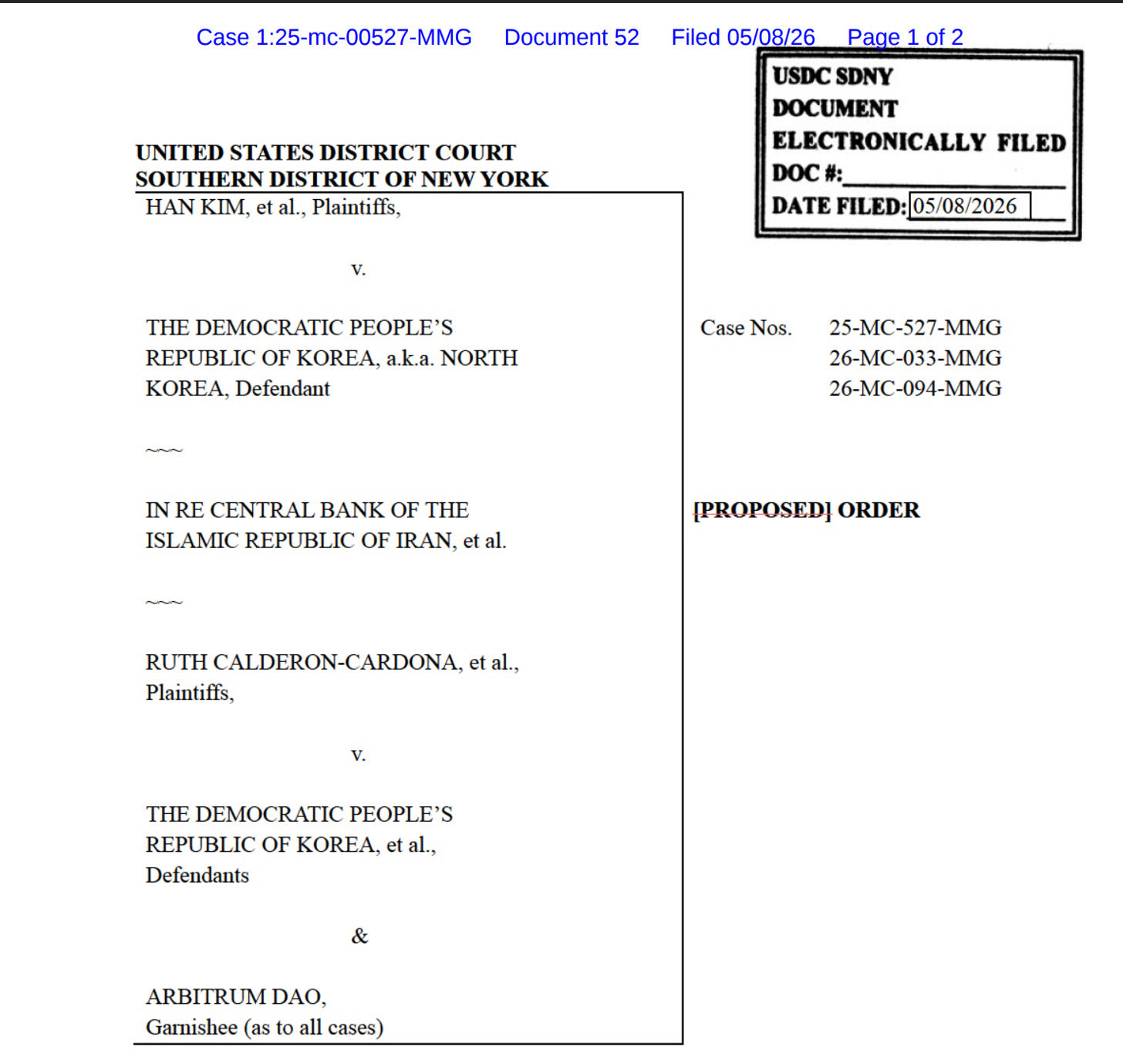
A Manhattan federal judge has issued a significant order in the ongoing legal battle surrounding the Kelp DAO exploit, allowing Arbitrum DAO to move approximately $71 million in frozen Ether to a wallet controlled by Aave LLC as part of the DeFi ecosystem's recovery effort. Judge Margaret Garnett of the Southern District of New York modified a restraining notice that had locked the 30,765 ETH inside Arbitrum DAO, permitting an onchain governance vote to execute the transfer and explicitly protecting any participants in the process from being held in violation of the freeze. The ruling came after Arbitrum delegates demonstrated overwhelming support for the move through an off-chain Snapshot vote that passed with over 90% approval, reflecting broad community consensus that releasing the funds serves the legitimate interests of users harmed by the exploit. The decision represents a meaningful step forward after weeks of legal uncertainty that threatened to derail the recovery effort entirely.
The court order does not fully resolve the legal dispute, however. The terrorism victims' legal claim on the funds remains intact, meaning Aave cannot use the assets freely and could be required to return them if the court ultimately rules in the plaintiffs' favor. The restraining notice was originally served by Gerstein Harrow LLP, which represents families holding $877 million in unpaid terrorism judgments against North Korea, claiming the funds belong to their clients because North Korean hackers stole them during the April 18 hack. Any actual transfer of the ETH also still requires a separate binding onchain governance vote through Arbitrum's formal governance process before the funds physically move. The order creates the legal permission for that vote to proceed without participants facing contempt exposure, but the governance step and the underlying legal claim both remain outstanding items that will shape how this story ultimately concludes.