


















 Earn up to 50% APR
 Boost earnings with NFTs
 Play, HODL & earn more







The Freelance Platform Market Is About to Double — Here's What's Driving It
-
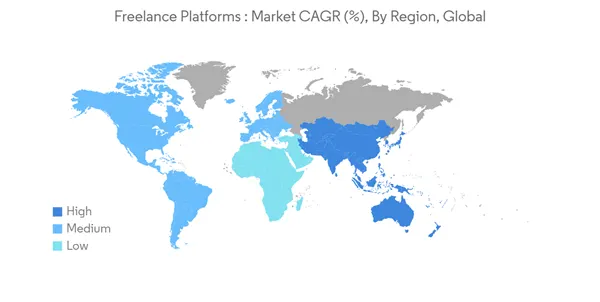
The global freelance platforms market is on track for one of the more significant expansions in the broader tech and labor sector over the next five years. Valued at $8.9 billion in 2026, the market is projected to reach $21.97 billion by 2031, growing at a compound annual rate of 16.32% — a trajectory that reflects structural shifts in how companies around the world think about building and managing their workforces. Three forces are driving the bulk of that growth. First, the shift toward hybrid and flexible workforce models has become deeply embedded in enterprise planning since the pandemic, with large corporations reporting an 84% increase in non-employee talent use over that period. The US Department of Labor's 2024 ruling on contractor classification has further accelerated this by giving companies a clearer legal framework for integrating contingent workers alongside full-time staff. Second, demand for specialized digital skills — particularly in AI, machine learning, and advanced programming — has pushed freelance rates for certain expertise categories 44% above platform averages, creating strong incentives for both workers and platforms.
Third, cost optimization pressure on enterprises is making the flexible cost structure of freelance talent increasingly attractive compared to full-time hiring.What makes this market growth particularly durable is that it is not driven by cyclical factors alone — it reflects a permanent reallocation of how labor budgets are structured at large organizations. Commission-based platform revenue models captured a 59.72% market share in 2025, reflecting the scalability of the marketplace approach. But the fastest-growing segment is managed services, growing at an 18.05% CAGR, as enterprises seek platforms that handle compliance, talent vetting, and outcome management rather than simply connecting them with available workers. The major players competing for this expanding market include Upwork, Fiverr, Freelancer, Toptal, and Guru, among others — but the competitive differentiation is increasingly coming from AI-powered matching algorithms and cross-border payment infrastructure rather than the size of the talent pool alone.
-
16.32% CAGR to $21.97B reflects structural labor reallocation, not just post-pandemic cyclical noise
-
"Permanent reallocation of labor budgets" is corporate speak for no more benefits ever