

















 Earn up to 50% APR
 Boost earnings with NFTs
 Play, HODL & earn more







Germany Is Planning to End Its Tax-Free Bitcoin Holding Rule — What You Need to Know
-
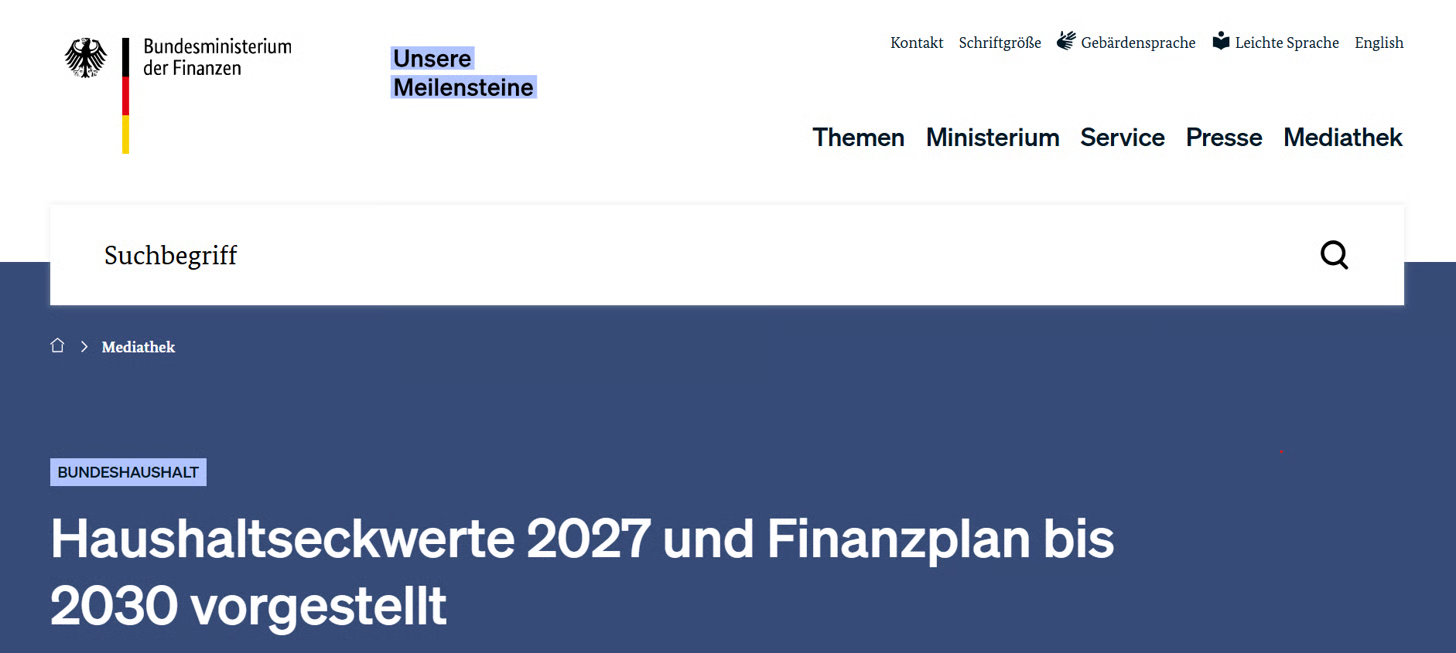
Germany is preparing to overhaul how it taxes cryptocurrency starting in 2027, and the change could eliminate one of the most investor-friendly crypto tax policies in Europe. Under current German law, private crypto gains are fully tax-free if the assets are held for more than one year before being sold — a rule known as the "Haltefrist" that has made Germany a particularly attractive jurisdiction for long-term Bitcoin holders. Finance Minister Lars Klingbeil signaled the government's intent to "tax cryptocurrencies differently" at an April 29 press conference on the 2027 federal budget, citing a target of raising an extra 2 billion euros in crypto tax revenue and tightening measures against financial and tax crime.
While Klingbeil did not explicitly name the one-year holding exemption, industry groups including the German Bitcoin Association say it is the most obvious and impactful target if the government is serious about generating meaningful revenue from the sector.For German crypto holders, the practical implications are significant and time-sensitive. If the exemption is removed, gains on Bitcoin and other crypto assets held for any length of time would become taxable — likely at a flat rate of around 27.5%, bringing Germany broadly in line with Austria, which scrapped its own holding period exemption in 2022. Tax advisors describe the current one-year rule as a major structural advantage for German retail investors, particularly long-term holders who have accumulated Bitcoin over multiple years and currently face zero tax liability on those gains. Anyone sitting on significant unrealized profits under the current framework has a potential window before 2027 to evaluate their position carefully. The German Federal Ministry of Finance has not yet released specific legislative details, and the exact shape of the new rules remains unclear — but the direction of travel appears set.