

















 Earn up to 50% APR
 Boost earnings with NFTs
 Play, HODL & earn more




The Kelp DAO Recovery Effort Is a Landmark Moment for DeFi Coordination — Here's the Full Picture
-
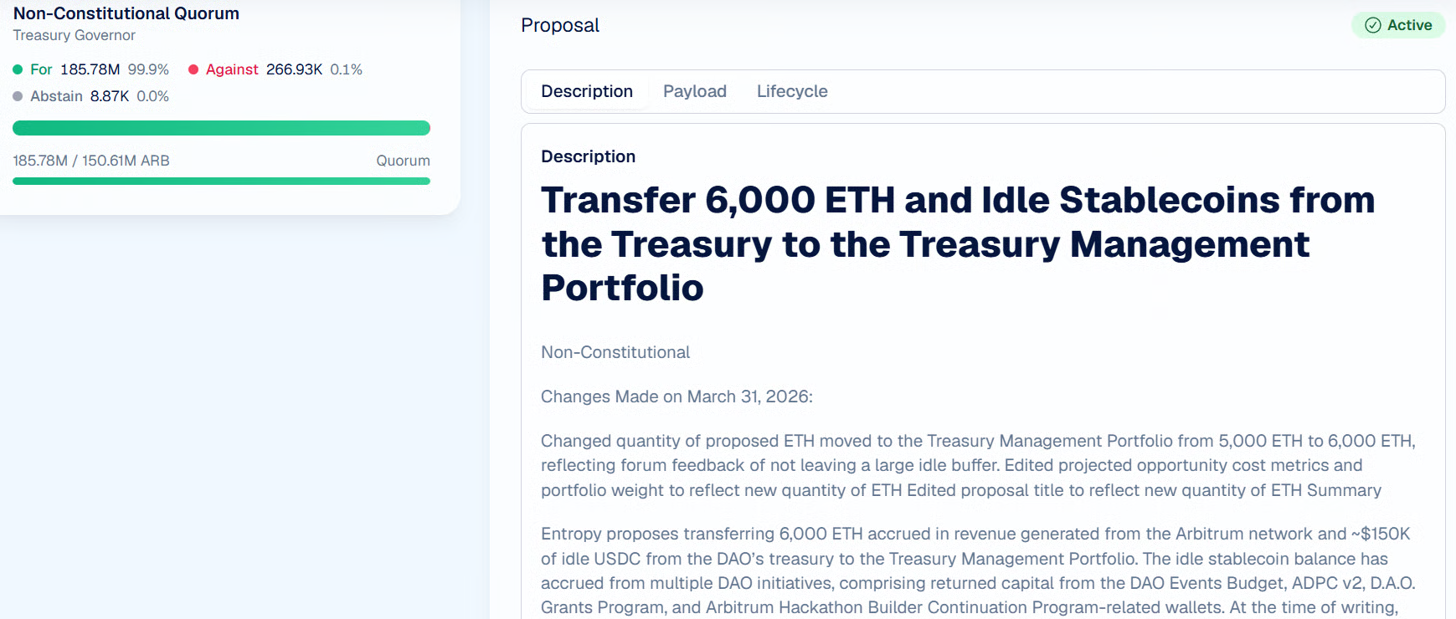
The governance vote to unfreeze $71 million in Ether connected to the Kelp DAO exploit is the most visible milestone yet in a broader cross-protocol recovery effort called "DeFi United" — and the story of how the DeFi ecosystem has responded to one of its largest recent exploits is worth understanding in full. The attack drained approximately 116,500 restaked ETH from Kelp DAO in mid-April, worth nearly $293 million at the time, sending shockwaves through the restaking ecosystem and triggering a broader flight from DeFi lenders. Aave alone saw deposits fall by $15 billion in the immediate aftermath as users reduced exposure. The scale of the contagion prompted an unusually coordinated response: Arbitrum's Security Council froze 30,765 ETH it could identify on its network within days of the exploit, while a coalition of DeFi protocols — including Mantle, EtherFi Foundation, Lido DAO, Ethena, LayerZero, Golem Foundation, Ink Foundation, and Tydro — collectively pledged 43,000 ETH worth approximately $101 million to help absorb the impact and reduce further contagion.
Aave Labs then moved to liquidate the hacker's remaining rsETH positions on both Ethereum and Arbitrum, removing the attacker's ability to further manipulate the market using stolen assets. The joint governance proposal now moving toward a binding onchain vote represents the final major step in the on-chain portion of the recovery: getting the frozen funds back into a controlled multisig from which they can be applied toward restoring rsETH's backing. The broader significance of "DeFi United" is not just the dollar amounts involved — it is the demonstration that competing DeFi protocols can coordinate rapidly and effectively in response to a major exploit, using governance mechanisms and collective pledges to contain damage that might otherwise have cascaded across the entire ecosystem. Whether that coordination model can be formalized and made repeatable will be one of the most important questions for DeFi's long-term resilience.