



















 Earn up to 50% APR
 Boost earnings with NFTs
 Play, HODL & earn more







Gerstein Harrow Has a Pattern of Targeting Frozen Crypto Funds Linked to North Korean Hacks
-
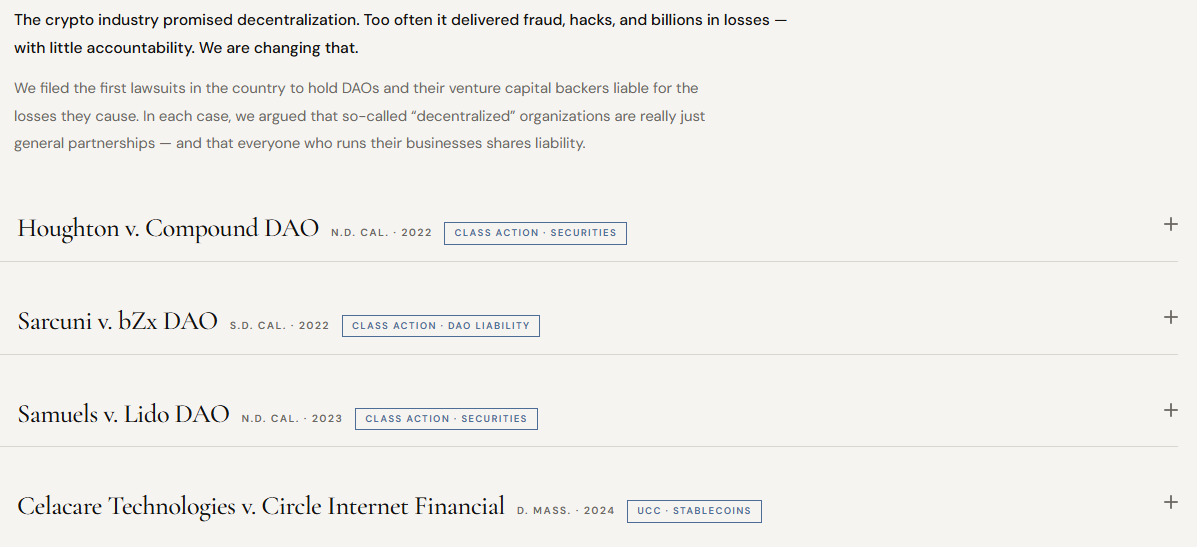
The Kelp exploit intervention is not the first time Gerstein Harrow LLP has attempted to claim frozen cryptocurrency on behalf of clients holding North Korea default judgments. In February, the firm filed a claim against funds frozen by Tether that were stolen in the 2023 Heco Bridge hack, using the same legal theory that DPRK-affiliated stolen funds constitute property against which its clients have a prior claim. The firm has also filed class-action suits against multiple DAOs and, according to on-chain investigator ZachXBT, used his research in court documents to stake a claim on funds from the $1.5 billion Bybit hack earlier this year. The pattern suggests a deliberate strategy of identifying frozen cryptocurrency traced to North Korean actors and filing legal claims that position the firm's clients ahead of the direct victims of each specific exploit.
The strategy exploits a genuine legal ambiguity. US courts have granted default judgments against North Korea in cases involving terrorism and other state-sponsored harm, and those judgments are real legal instruments that the courts have an obligation to enforce. The argument that DPRK-affiliated stolen cryptocurrency constitutes seizable DPRK property is legally creative but not without basis in US courts given the established judgments. The ethical problem, as the Arbitrum community has noted, is that enforcing these judgments against frozen crypto assets means the cost falls on a different group of victims from those the judgments were meant to compensate. North Korea-affiliated actors have been accused of stealing at least $578 million across major incidents in April alone, and if the Gerstein Harrow approach becomes an established legal pathway, it creates a framework where every major DPRK crypto exploit could be contested by judgment holders before victims receive any compensation.