


















 Earn up to 50% APR
 Boost earnings with NFTs
 Play, HODL & earn more







Stablecoin Debate Stalls as Regulators and Industry Clash
-
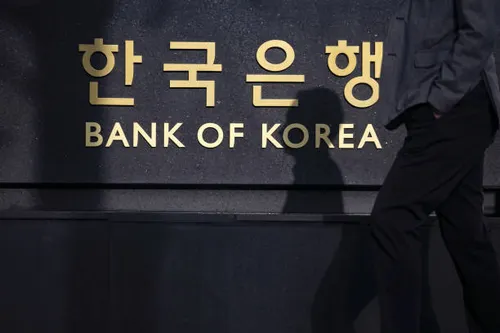
While the Bank of Korea acknowledges that programmable stablecoins could support digital asset innovation and modernize payment systems, it has suggested structural safeguards to mitigate risks.
Among its proposals are:
A bank-centered consortium model for issuance
A statutory interagency policy body to coordinate supervision and approvals
The central bank reportedly referenced the US GENIUS Act as an example of cross-agency oversight involving financial regulators.
However, not everyone agrees with the BOK’s bank-first approach. Sangmin Seo, chair of the Kaia DLT Foundation, previously argued that restricting issuance to banks lacks a clear logical foundation. He suggested that strong regulatory standards — rather than issuer type — would be a more effective way to minimize risks.
Regulators have reportedly been divided over whether banks should hold majority stakes in stablecoin issuers, delaying legislation that was originally expected months ago. Although lawmakers previously signaled a potential resolution timeline, no final framework has been announced.
As South Korea weighs innovation against financial stability, the outcome of this debate could shape how won-pegged stablecoins evolve — and who controls their future.
-
Innovation with guardrails seems to be the theme.
-
Bank-first stablecoins feel like controlled decentralization.
-
Stability vs innovation — classic central bank dilemma.