


















 Earn up to 50% APR
 Boost earnings with NFTs
 Play, HODL & earn more






HTX Sanctions Are Creating New Fault Lines Across Crypto Exchanges
-
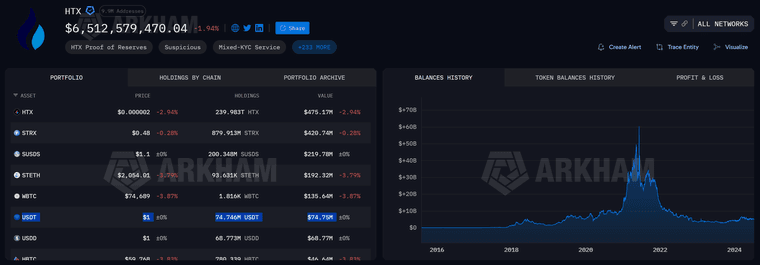
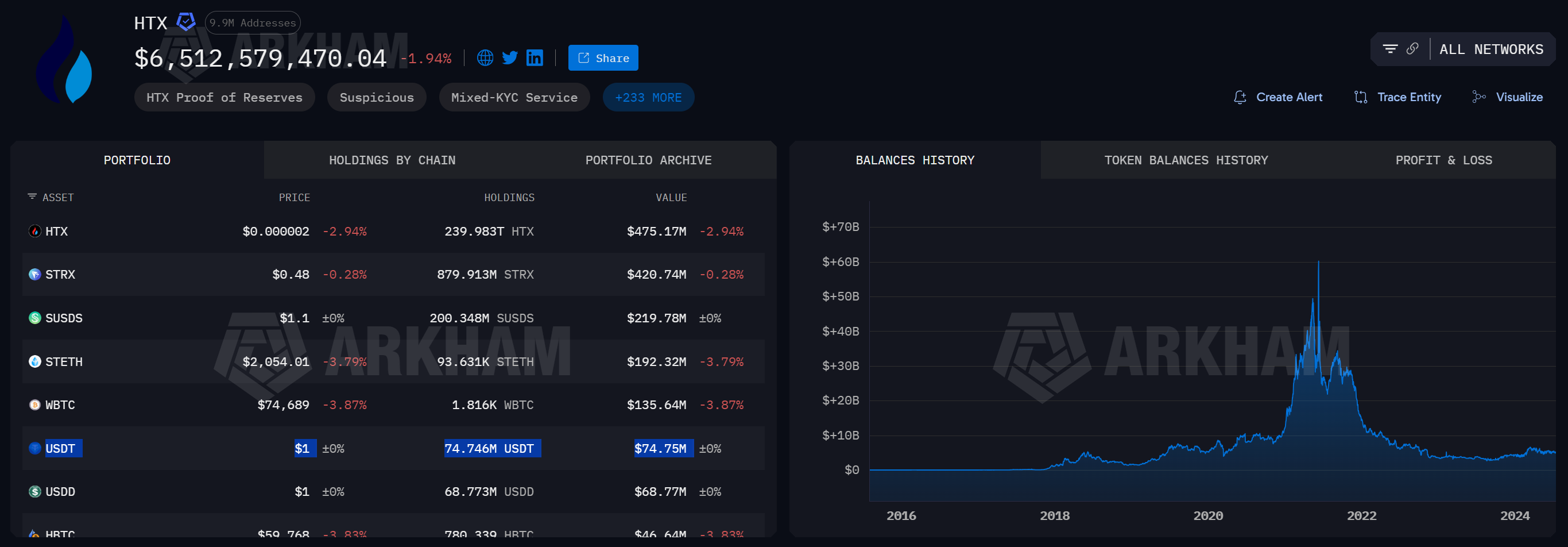
The fallout from the UK’s sanctions against HTX operator Huobi Global S.A. is already spreading through the crypto ecosystem, with Bybit becoming one of the first major exchanges to publicly distance itself from HTX-linked transfers.Bybit warned that any transactions connected to HTX wallets could face enhanced anti-money laundering reviews and additional risk-control checks. The exchange’s response highlights how quickly sanctions enforcement can ripple through compliance systems across the global crypto industry.
Meanwhile, HTX insists the sanctioned entity is separate from the main trading platform and says day-to-day operations remain unaffected. Still, compliance experts believe the pressure may intensify if banks, stablecoin issuers, and other exchanges begin tightening restrictions around HTX counterparties. The situation is becoming another major test of how decentralized crypto infrastructure interacts with increasingly aggressive global regulation.
-
Regulations can affect the entire crypto ecosystem, not just one company.
-
Compliance is becoming a bigger priority for every major exchange.
-
Crypto platforms are adapting to a rapidly changing global landscape.
-
Risk management is more important than ever for exchanges.
-
The crypto industry is entering a more regulated era.
-
Cross-platform relationships matter more than many realize.
-
Regulatory developments often have consequences far beyond one company.
-
Exchanges are strengthening their compliance frameworks worldwide.
-
Strong compliance is becoming essential for long-term growth.
-
Global crypto markets are more interconnected than ever.
-
Regulatory clarity may ultimately strengthen the crypto ecosystem.
-
Following UK sanctions on HTX operator Huobi Global S.A., Bybit is restricting HTX-linked transactions under enhanced AML checks, highlighting growing pressure on global exchanges to enforce strict counterparty compliance despite HTX claiming its core platform remains unaffected.