

















 Earn up to 50% APR
 Boost earnings with NFTs
 Play, HODL & earn more



OpenAI Is Adding Two Layers of AI Detection to Images Generated by Its Products
-
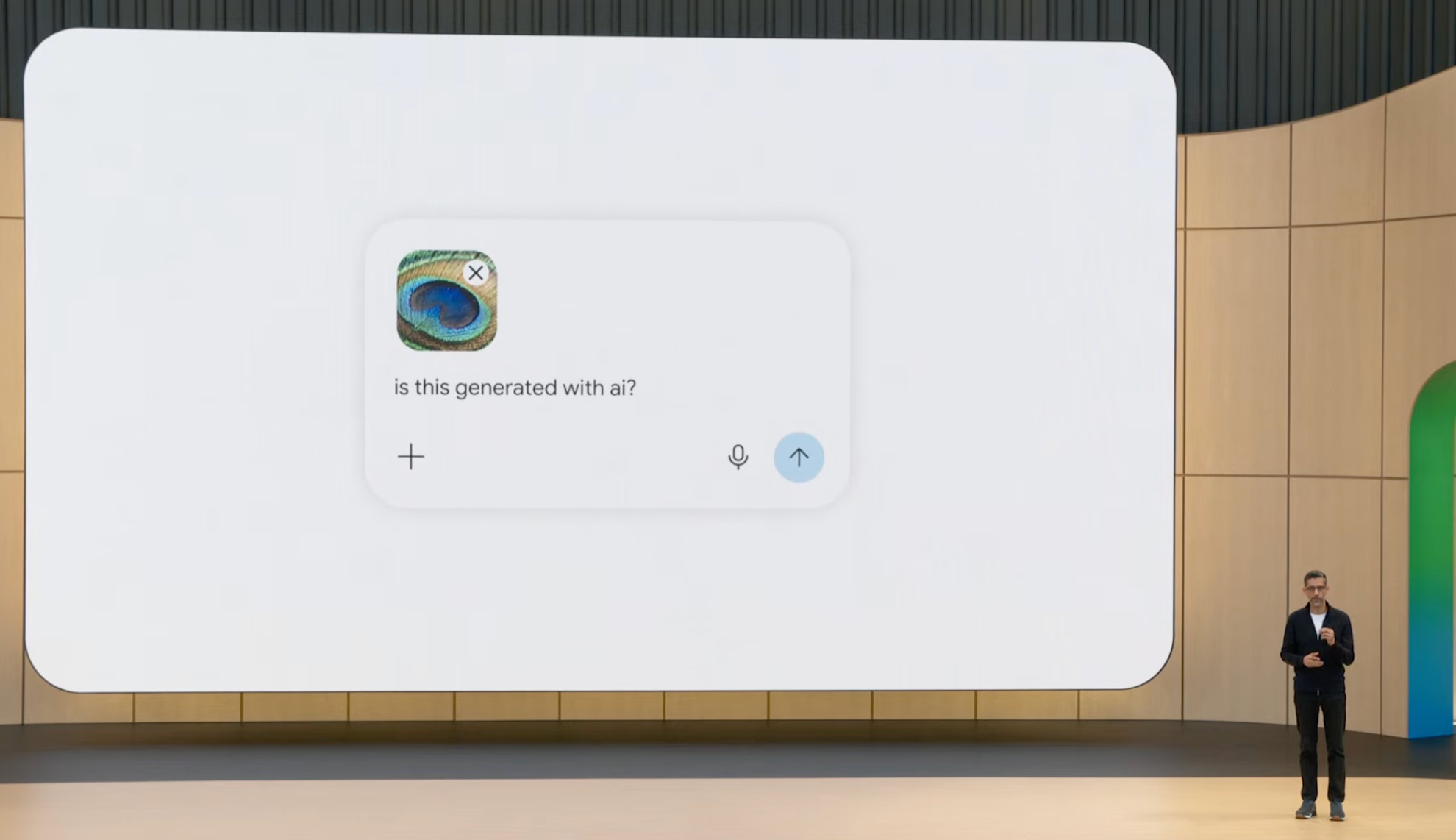
OpenAI announced on Tuesday that it is adopting two complementary standards to help users identify AI-generated images and fight the growing problem of synthetic media circulating without clear attribution. The first is C2PA, an open standard developed by the Coalition for Content Provenance and Authenticity that embeds a clear signal in an image's metadata indicating it was AI-generated. The second is SynthID, an invisible watermark developed by Google that is designed to be significantly harder to detect and harder to remove even when bad actors attempt to strip it through screenshots, resizing, or digital manipulation. OpenAI is also previewing a public verification tool that will allow users to check images for both signals, giving anyone a straightforward way to test whether a piece of content was produced by an OpenAI product.
The two systems are designed to address each other's weaknesses rather than compete. C2PA metadata is more easily readable and informative but can be manipulated since it sits in an accessible part of the file. SynthID is more durable through various forms of image transformation but carries less detailed information on its own. Together, OpenAI argued, they make provenance more resilient than either layer would be independently. The protections currently apply only to images generated through OpenAI's own products, meaning they will not affect the volume of AI imagery produced by other tools, many of which have no equivalent safeguards. OpenAI said it hopes to expand the verification tool to cover images from other generators over time, though no specific timeline was provided.