


















 Earn up to 50% APR
 Boost earnings with NFTs
 Play, HODL & earn more








LetinAR's Lens Technology Could Solve the Biggest Unsolved Problem in Smart Glasses Design
-
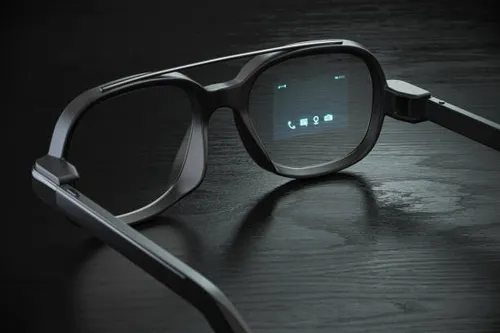
The reason smart glasses have not yet become a mainstream consumer product despite years of development comes down to a fundamental optical engineering problem. The dominant lens approach used in most existing smart glasses, known as waveguide, works by spreading light across the full lens surface to create a wide image. The result is a thin lens, but an inefficient one where much of the light is scattered before it ever reaches the user's eye, producing dimmer images and draining the battery significantly faster. The alternative approach, known as birdbath, delivers light more directly and produces better image quality, but the structure required to do so is bulky enough that it makes the device look nothing like a normal pair of glasses.
LetinAR's proprietary technology, called PinTILT, is designed to sidestep that trade-off entirely. By engineering the angle of tiny optical elements inside the lens to focus only on the light that can actually enter the eye, LetinAR claims it can produce a brighter image in a thinner, lighter form factor while using less power than competing approaches. The real-world application of this technology is already visible in Aegis Rider, a Swiss deep tech company spun out of ETH Zurich that is using LetinAR's module inside an AI-powered motorcycle helmet that displays navigation, speed, and safety alerts anchored to the road ahead in the rider's field of vision. Aegis Rider is targeting the EU and Swiss markets in 2026, making it one of the first commercial deployments of this kind of AR optics in a demanding real-world environment. LetinAR also counts Japan's NTT QONOQ Devices and Dynabook among its customers and says it is in R&D talks with major Big Tech companies it declined to name.