















 Earn up to 50% APR
 Boost earnings with NFTs
 Play, HODL & earn more




The Musk vs OpenAI Trial Has Come Down to One Central Question: Can Anyone Trust Sam Altman?
-
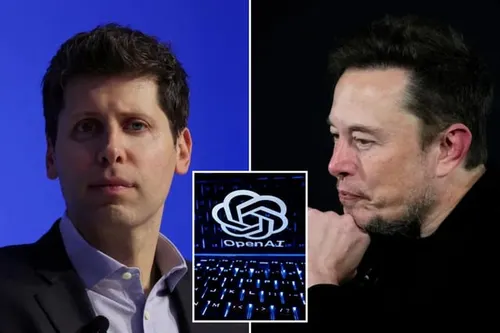
Closing arguments in the Elon Musk versus OpenAI trial wrapped up this week, leaving jurors to decide whether OpenAI acted wrongly as it transitioned toward a more for-profit structure. But one theme dominated the trial's final days above all others: whether OpenAI CEO Sam Altman is truthful. Musk's attorney grilled Altman on the stand about statements he made during congressional testimony, specifically a claim that he had no equity in OpenAI. That turned out to be technically misleading, as Altman held a stake through Y Combinator, which he previously ran. His defense was that he assumed everyone understood what it meant to be a passive investor in a VC fund, a response Musk's lawyer pushed back on directly by questioning whether a congressman in a hearing would reasonably be expected to know that distinction.
Altman's response to the scrutiny was notably different from Musk's own conduct on the stand.Where Musk was combative, Altman adopted an affable, self-aware tone, acknowledging that he has historically been conflict-averse and prone to telling people what they want to hear, and framing it as something he is actively working on. Whether that approach lands with the jury remains to be seen. Both men came under scrutiny for truthfulness during the trial, but as observers noted, the difference was less about who was more honest and more about how each handled being caught in a difficult position. Altman leaned into self-reflection. Musk leaned into confrontation. Neither posture necessarily answers the underlying question of credibility that sat at the heart of the entire proceedings.