


















 Earn up to 50% APR
 Boost earnings with NFTs
 Play, HODL & earn more






End-to-End Encryption Matters More Than Most People Realize. Here Is Why This Rollout Is a Big Deal
-
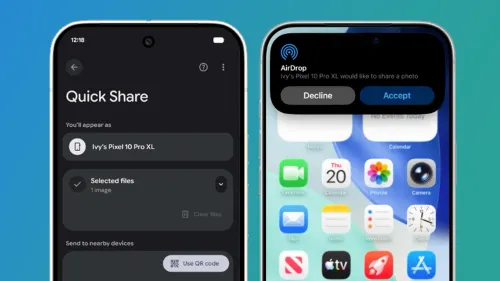
End-to-end encrypted messaging means that when a message leaves your device, it is scrambled in a way that only the recipient's device can unscramble — making it effectively unreadable to anyone intercepting it in transit, including the companies running the messaging infrastructure. Until today's beta rollout, every message sent between an iPhone and an Android device lacked this protection, traveling instead as standard SMS or unencrypted RCS that could theoretically be read by carriers, platform operators, or anyone with the means to intercept network traffic. For the vast majority of everyday users this vulnerability never resulted in a concrete harm — but for journalists, activists, people in abusive relationships, or anyone communicating sensitive information, the absence of cross-platform encryption was a genuine and underappreciated risk.
The significance of Apple finally supporting end-to-end encrypted RCS extends beyond the technical feature itself. It represents the end of a years-long standoff in which Apple used the inferior green bubble experience as a subtle lock-in mechanism — iPhone users who texted Android contacts got worse group chats, degraded video quality, and no encryption, creating social pressure to stay within the Apple ecosystem. Google campaigned publicly for years to push Apple toward RCS adoption, and it ultimately took regulatory pressure from the EU and China rather than competitive dynamics to force the change. The result is better for consumers across both platforms, and it sets a precedent that interoperability and baseline privacy protections can be achieved between competing ecosystems when regulatory pressure provides the necessary push.