
















 Earn up to 50% APR
 Boost earnings with NFTs
 Play, HODL & earn more







The MOTHER Lawsuit Is Part of a Bigger Pattern — And It Has Lessons for Every Meme Coin Buyer
-
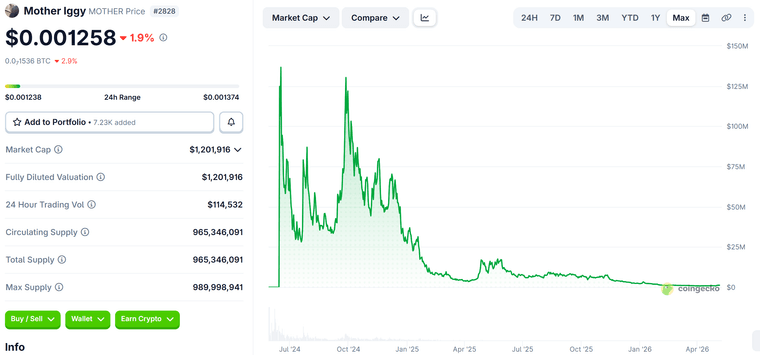
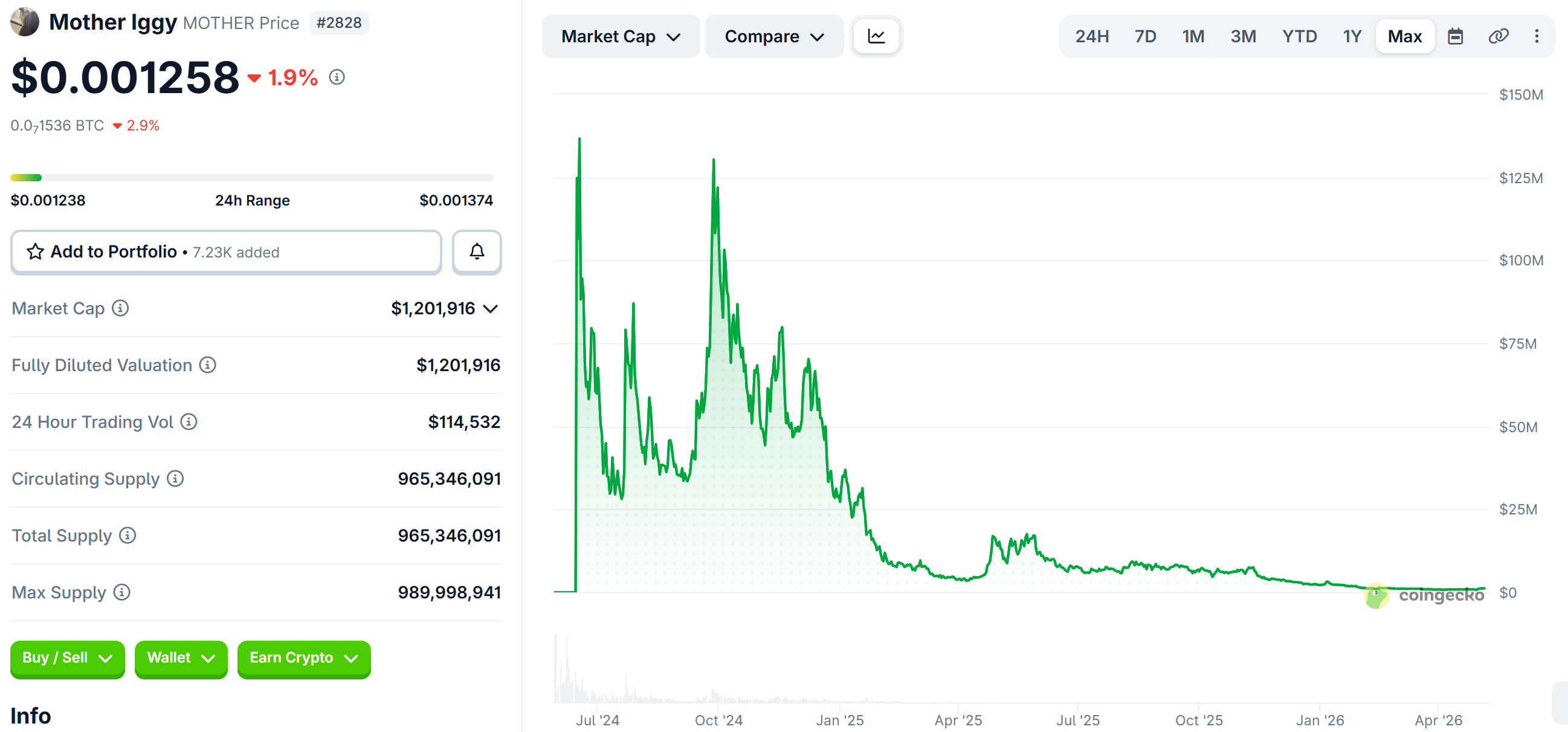
The federal class action against Iggy Azalea over her MOTHER token is not an isolated event — it is the latest in a growing wave of crypto consumer protection lawsuits targeting celebrity-backed meme coin launches, and it signals that the legal landscape around this category of asset is hardening fast. Burwick Law, the firm behind the complaint, has become one of the most active plaintiff-side practices in crypto litigation, having previously filed similar suits over the LIBRA token, the HAWK meme coin, the Believe launchpad, and Pump.fun. What is strategically notable about Burwick's approach is the legal framing: rather than arguing that meme coins are unregistered securities — a harder and more contested legal question — the firm consistently targets deceptive marketing practices under consumer protection statutes. That framing is both more accessible to everyday retail buyers as plaintiffs and more difficult for defendants to dismiss on technical securities law grounds, making it an increasingly effective litigation template.
For anyone who has bought or is considering buying a celebrity meme coin, the MOTHER case is a useful checklist of red flags to watch for. Promises of token utility tied to businesses the celebrity controls — casinos, telecom services, e-commerce platforms — without any contractual, governance, or revenue-sharing rights for token holders are exactly the kind of claims now drawing legal scrutiny. The presence of institutional market makers at launch can create a false sense of legitimacy while also providing liquidity that primarily benefits insiders during the initial price surge. And the pattern of a rapid all-time high followed by a collapse of 90% or more is now recurring across enough celebrity launches that it should be treated as a structural feature of the category rather than an exception. The legal risk for celebrities promoting these tokens is clearly rising, and the investors most likely to avoid losses are those who treat utility promises from celebrity issuers with deep skepticism until those integrations are live, verifiable, and independently audited on-chain.