


















 Earn up to 50% APR
 Boost earnings with NFTs
 Play, HODL & earn more






OKX Card's European spending data is the most concrete evidence yet that crypto is becoming a daily payment tool
-
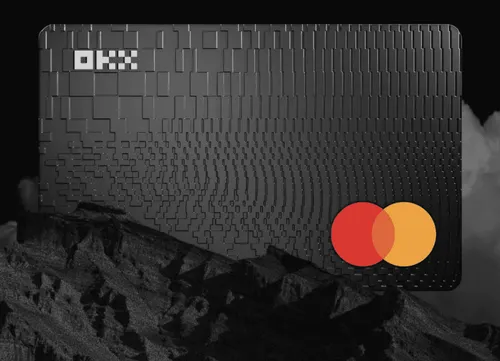
The significance of OKX's first-month European transaction data is not in any single number but in what the overall distribution reveals about where crypto payments adoption actually stands. When 26% of crypto card transactions are at grocery stores, 18% are at restaurants and fast food outlets, and the top spending categories by transaction count are indistinguishable from a conventional debit card statement, it indicates that a meaningful segment of European crypto holders has reached a point where using crypto-funded payment cards for routine purchases is a default behavior rather than a novelty or an experiment. OKX framed this as evidence that everyday people are buying groceries and coffees with stablecoin-backed cards, and the transaction distribution supports that framing.
The country-level data adds texture that makes the overall picture more credible rather than less. National cultural patterns showing up in crypto card transaction data, French users over-indexing on bakeries, Dutch users over-indexing on supermarkets, German users over-indexing on online marketplaces, is exactly what you would expect to see if the product had achieved genuine behavioral integration rather than superficial adoption driven by sign-up bonuses or novelty. People spending crypto the same way they spend traditional money in their specific national contexts is a stronger signal of product-market fit than any headline adoption metric. Combined with broader European market data showing that nearly half of crypto card transactions are under 10 euros and that stablecoins are already being used for peer-to-peer transfers and everyday purchases in Spain at scale, the OKX data contributes to a coherent picture of European crypto payment adoption that is further along than most observers outside the industry have recognized.