


















 Earn up to 50% APR
 Boost earnings with NFTs
 Play, HODL & earn more







“Scam-as-a-Service” and Deepfakes Raise New Risks for Crypto Users
-
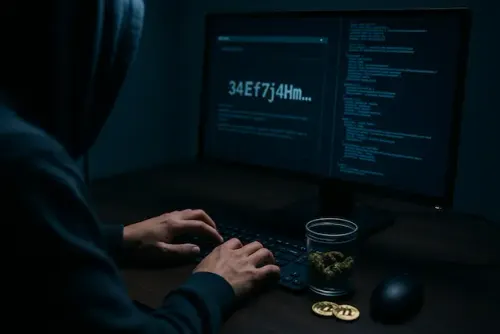
The rise of AI-powered fraud kits is fueling a new wave of “scam-as-a-service,” enabling even non-technical attackers to carry out sophisticated schemes like romance scams and phishing attacks. These tools can exploit biometric systems and impersonate real users with minimal effort, increasing risks for both platforms and individuals.
Security leaders, including experts at Cyvers, emphasize the need for layered defenses—combining identity verification with real-time monitoring and behavioral analysis. As crypto-related scams already cost billions annually, the emergence of deepfake-enabled fraud marks a significant escalation in the ongoing battle for digital security.
-
The rise of AI-powered fraud kits is fueling a new wave of “scam-as-a-service,” enabling even non-technical attackers to carry out sophisticated schemes like romance scams and phishing attacks. These tools can exploit biometric systems and impersonate real users with minimal effort, increasing risks for both platforms and individuals.
Security leaders, including experts at Cyvers, emphasize the need for layered defenses—combining identity verification with real-time monitoring and behavioral analysis. As crypto-related scams already cost billions annually, the emergence of deepfake-enabled fraud marks a significant escalation in the ongoing battle for digital security.