



















 Earn up to 50% APR
 Boost earnings with NFTs
 Play, HODL & earn more







Japan Plans Securities-Level Safeguards for Crypto After Years of Exchange Failures
-
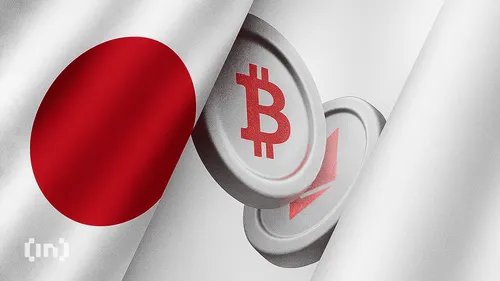
Japan’s FSA is preparing to impose rules requiring exchanges to maintain dedicated liability reserves, benchmarked against reserve levels used by traditional securities firms — between ¥2 billion and ¥40 billion, depending on size and risk exposure.
The move marks a major tightening of crypto oversight in a country deeply shaped by high-profile failures, from Mt. Gox’s 740,000 BTC collapse to the 2024 DMM Bitcoin breach.
Notably, the reserves would apply even to assets held in cold wallets, ending the assumption that offline storage alone is sufficient. The FSA is also exploring whether insurance policies could partially or fully replace cash reserves to ease the burden on smaller operators.
The proposal is part of a wider overhaul that includes registration requirements for wallet providers, potential reclassification of some tokens under securities law, and improved insolvency procedures for faster customer payouts. -
Securities-style protections could drastically reduce consumer risk.
-
Long overdue—Japan has seen too many exchange collapses already.