


















 Earn up to 50% APR
 Boost earnings with NFTs
 Play, HODL & earn more







Smart Glasses Are Moving From Concept to Mass Market and a South Korean Startup Is Building the Critical Component That Makes Them Work
-
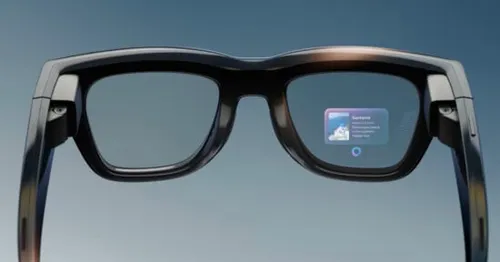
Global AI glasses shipments surged to 8.7 million units in 2025, up more than 300% from the prior year, and analysts project that figure will cross 15 million in 2026. Every major technology company is now moving in this direction: Meta has been selling AI-enabled Ray-Ban glasses since 2023, Google is building Android XR, Samsung is reportedly preparing to unveil its first AI-capable smart glasses co-designed with Gentle Monster at a July event in London, and Apple is expected to enter the market. Chinese companies including Huawei, Alibaba, and Xiaomi are all pushing into the category simultaneously, reflecting how broadly the industry has converged on smart glasses as the next major consumer computing platform.At the center of making all of this actually wearable is a South Korean startup called LetinAR, backed by LG Electronics and freshly funded with $18.5 million from Korea Development Bank and Lotte Ventures ahead of a planned 2027 IPO.
LetinAR does not make glasses. It makes the optical module, the tiny lens component that projects images into a user's field of vision, which determines whether smart glasses feel like an unwearable sci-fi headset or something a person would actually put on every day. Getting that component light enough, thin enough, power-efficient enough, and visually sharp enough to fit inside a normal-looking frame is the central engineering challenge of the entire industry, and it is the problem LetinAR has spent nearly a decade working to solve.