



















 Earn up to 50% APR
 Boost earnings with NFTs
 Play, HODL & earn more







The OpenAI Trial Is Really About a Much Bigger Trust Problem Across the Entire AI Industry
-
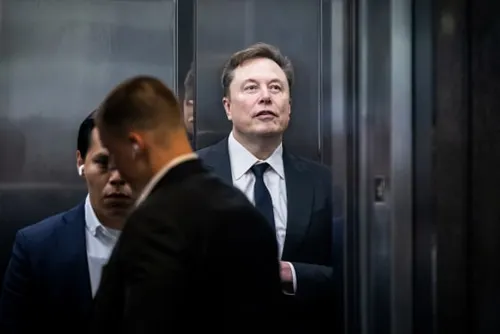
The Musk versus OpenAI lawsuit may have put Sam Altman's credibility on trial, but the more important question it surfaces extends well beyond one CEO or one company. As journalists and commentators covering the trial noted, the trust deficit being debated in court reflects a challenge that applies to every major AI lab operating today. These are privately held companies with enormous influence over technology that affects millions of people, yet they operate largely behind a veil with limited transparency into their governance, finances, and decision-making. Without that visibility, trust becomes the only available proxy for accountability, and trust is exactly what is being contested.
The problem is that even good intentions do not guarantee trustworthy outcomes. A founder or CEO can have genuinely noble goals and still preside over a messy, contested, and ethically complicated organization. OpenAI's own internal power struggle, now referred to internally as The Blip, is a clear example of how an organization can publicly champion a mission while experiencing serious breakdowns in trust among its own leadership. As AI labs move closer to potential IPOs that might offer more financial transparency, the deeper questions about intent, governance, and misuse will still require more than balance sheets to answer. The Musk trial may wrap up with a jury verdict, but the broader reckoning about whether the public, policymakers, and journalists can trust the people building the most consequential technology of this era is a question that will outlast any single courtroom decision.
-
IPO financial transparency being insufficient to answer deeper intent governance and misuse questions that matter more
-
Trial ends, broader reckoning about AI builders continues indefinitely