


















 Earn up to 50% APR
 Boost earnings with NFTs
 Play, HODL & earn more






Black Thursday 2020 Was Bitcoin's Darkest Hour Here's Why It's Also Its Most Important Lesson
-
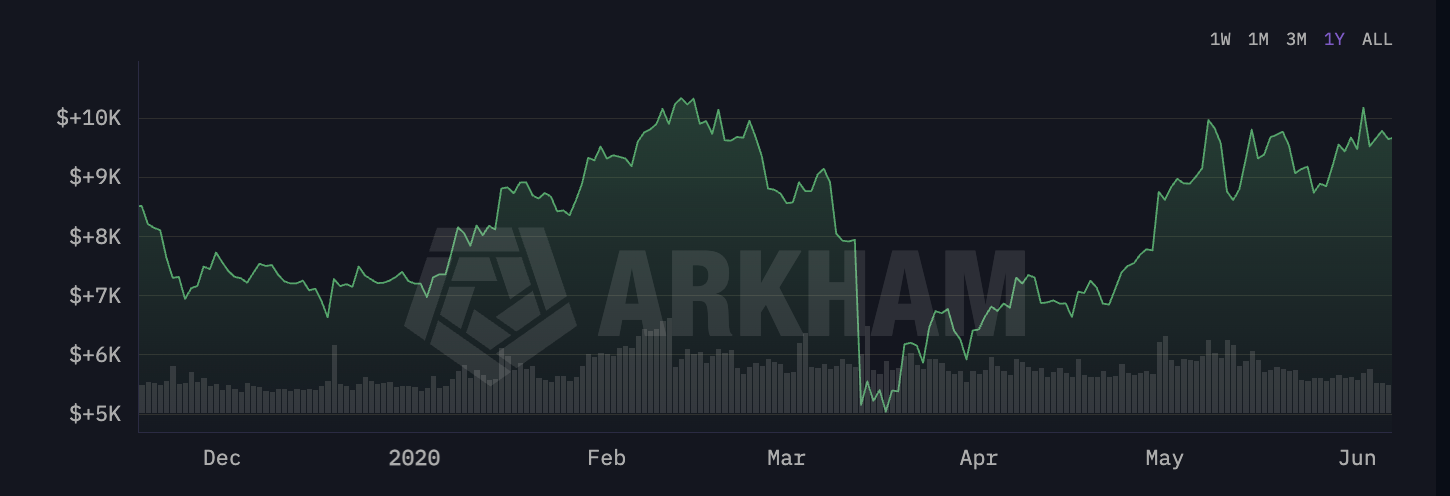
Bitcoin crash in 2020. Source: ArkhamMarch 12, 2020 remains one of the most traumatic days in Bitcoin's history. When global panic over COVID-19 reached a peak and the WHO officially declared a pandemic, Bitcoin collapsed from roughly $8,000 to lows near $4,000 in under 48 hours — a drop of more than 50% that wiped out billions in market value almost overnight. The event shattered the prevailing narrative that Bitcoin was "digital gold," immune to the same panic-driven selloffs that hit traditional risk assets. Instead, it behaved like the most liquid asset available: investors dumped it first, alongside equities, to raise cash and reduce exposure as uncertainty spiraled. Altcoins fared even worse, with many losing 60–70% of their value in the same window. It was a brutal reminder that in a genuine global crisis, correlation across all risk assets tends to spike toward one.
What happened next, however, is equally important to understand.Bitcoin staged a historic recovery, regaining all of its lost ground within roughly six weeks and going on to launch one of the most powerful bull rallies in its history throughout the rest of 2020 and into 2021. That episode demonstrated something critical: short-term panic-driven crashes, even severe ones, do not necessarily reflect long-term structural damage to the asset. The COVID crash ultimately became one of the best buying opportunities Bitcoin has ever offered. Now, with hantavirus headlines rekindling anxiety among crypto investors, the lesson of Black Thursday cuts both ways — yes, a serious global health escalation could trigger a sharp initial shock, but Bitcoin's track record suggests that those who understand the asset's longer arc are less likely to be shaken out by the fear itself.
-
Dropped 50% in 48 hours, recovered fully in six weeks, became the best buying opportunity in its history, timing is everything