


















 Earn up to 50% APR
 Boost earnings with NFTs
 Play, HODL & earn more






Europe's crypto card market is built on micro-transactions and everyday spending and it is growing fast
-
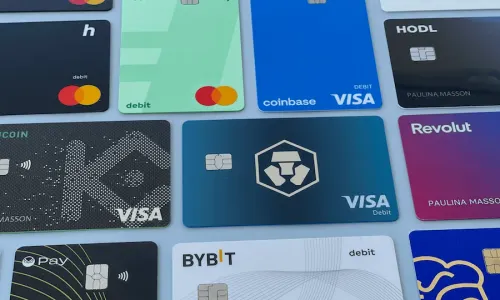
OKX's first-month transaction data fits into a broader pattern of European crypto card usage that is structurally different from the high-value, occasional-use stereotype that has historically defined how mainstream audiences perceive crypto payments. A 2025 Cex.io report found that approximately 45% of crypto card transactions in Europe were for amounts under 10 euros, and that around 40% of crypto card spending happened online, nearly double the euro-area average share of online card payments of approximately 21%. Brighty data reported in April showed that Spain accounted for approximately 36% of retail transactions and 25% of total volume in Circle's euro stablecoin EURC between 2025 and Q1 2026, with an average payment size of around 49 euros, confirming that stablecoins are already functioning as a medium of everyday exchange in at least one major European market rather than sitting in wallets as speculative assets.
The picture that emerges from multiple data sources is of a European crypto card market that has already crossed a meaningful threshold in day-to-day utility without generating the kind of consumer finance headlines that would typically accompany that milestone. Everyday people buying groceries, coffee, and fuel with crypto-funded debit cards in France, Germany, Poland, and the Netherlands is not the narrative that most mainstream coverage of crypto payments has been building toward, but it appears to be the reality that transaction data is now reflecting. The infrastructure enabling this behavior, regulated issuers like Monavate connecting crypto wallets to Mastercard and Visa rails, stablecoin settlement on Solana and Polygon, and exchange-integrated spending accounts, has matured quietly to the point where the user experience is comparable to traditional card spending for the merchants and consumers involved.