


















 Earn up to 50% APR
 Boost earnings with NFTs
 Play, HODL & earn more






Wall Street's ETF distribution network is proving to be one of Bitcoin's most powerful demand stabilizers
-
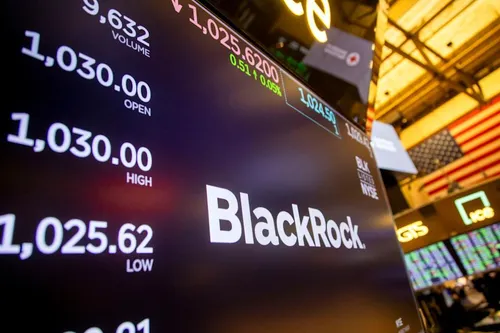
Bloomberg ETF analyst Eric Balchunas made an observation during a Roxom TV interview on Tuesday that deserves more attention than a single earnings day data point: Bitcoin ETFs experienced only approximately 8% in outflows during a cycle that saw Bitcoin's price decline by roughly 50%, a resilience ratio that no previous Bitcoin investment vehicle has demonstrated. Balchunas attributed the dynamic to the role of Wall Street wholesalers, the distribution network of brokers, advisers, and institutional intermediaries who channel client capital into ETF products and who were effectively unlocked as a demand source when the spot Bitcoin ETF structure became available. His message was direct: do not underestimate the firepower of Wall Street wholesalers as a structural support mechanism for Bitcoin demand through price volatility.
The implication extends beyond the current rally. The traditional criticism of Bitcoin as too volatile for institutional portfolios has always been partly a distribution problem as much as a risk tolerance problem. Institutional allocators working through regulated ETF structures have built-in behavioral guardrails against panic selling that direct Bitcoin holders do not have, including adviser relationships, portfolio rebalancing frameworks, and long-term allocation mandates that treat a 50% drawdown as a rebalancing opportunity rather than an exit signal. The nearly $1 billion in two-day inflows as Bitcoin reclaimed $80,000, combined with the 8% outflow figure during the cycle's worst drawdown, suggests that ETF-mediated Bitcoin exposure behaves more like a traditional institutional asset class than a speculative retail position. That behavioral shift has significant implications for how Bitcoin demand responds to future price volatility.
-
Do not underestimate the firepower of Wall Street wholesalers is not a sentence I expected to read about Bitcoin today