



















 Earn up to 50% APR
 Boost earnings with NFTs
 Play, HODL & earn more








Nvidia CEO Jensen Huang says AI creates jobs and is America's best opportunity to re-industrialize
-
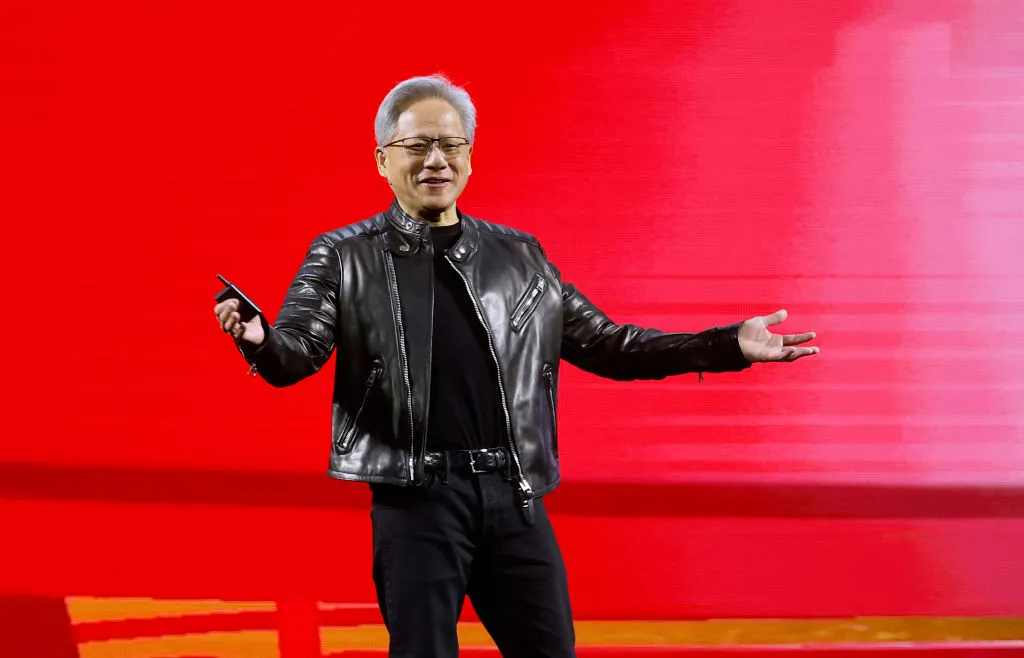
Nvidia CEO Jensen Huang pushed back firmly against AI labor displacement fears during a Monday night conversation hosted by the Milken Institute, arguing that AI is an industrial-scale job creator rather than the harbinger of mass unemployment that critics have warned about. Speaking with MSNBC's Becky Quick, Huang framed AI as the United States' best opportunity to re-industrialize, pointing to the new generation of factories producing AI hardware as evidence that the technology drives physical manufacturing employment alongside the software and services layer. His core argument against displacement concerns was a distinction between tasks and jobs: just because AI automates a discrete task within a role does not mean the broader function that employee serves in an organization disappears. People who predict wholesale job replacement, Huang argued, misunderstand that the purpose of a job and the task of a job are related but not the same thing.Huang also directed criticism at the AI doomer narrative itself, expressing concern that science fiction-style warnings about AI dominance and economic devastation were making the technology so unpopular that people would disengage from it entirely rather than learn to use it productively.
His argument is that fear of AI is itself a risk to American competitiveness, potentially more damaging than the technology's actual labor market effects. The irony he did not address directly is that much of the doomer rhetoric has originated within the AI industry itself, with some critics arguing the hyperbole has functioned as a marketing mechanism. The optimistic picture Huang painted sits in tension with reputable projections from financial and academic institutions suggesting that as much as 15% of US jobs could be eliminated over the next several years as a direct result of AI adoption, a figure that represents millions of workers whose task-level displacement may not translate cleanly into the job-level continuity Huang described.