



















 Earn up to 50% APR
 Boost earnings with NFTs
 Play, HODL & earn more








The Crypto ATM Debate: Fraud Vector or Last Tool for Financial Privacy?
-
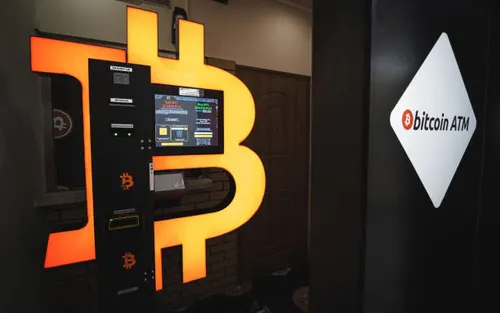
Canada's proposed ban on crypto ATMs frames the machines purely as a fraud and money laundering risk, but the debate is more complex than the government's language suggests. Crypto industry advocates argue that banning ATMs removes one of the few remaining public-access tools for converting cash to cryptocurrency without requiring a bank account, identity verification at every step, or a relationship with a regulated exchange. Alex Davis, founder and CEO of blockchain company Mavryk, put the broader tension directly: the question is not whether crypto ATMs should exist but whether society is comfortable with a future where every dollar must pass through a fully surveilled, fully permissioned gatekeeper. For users in jurisdictions with limited banking access, unbanked individuals, or those with legitimate privacy concerns, crypto ATMs have served a function that no regulated alternative fully replaces.
The counterargument from regulators is grounded in data that is difficult to dismiss. The FTC documented a tenfold increase in scams involving Bitcoin ATMs, with the machines becoming a standard collection mechanism for government impersonation and tech support fraud targeting vulnerable populations, particularly elderly people who are directed to find a nearby machine and deposit cash. Connecticut's suspension of Bitcoin Depot and the Massachusetts lawsuit both specifically cite the company's alleged failure to implement adequate fraud prevention despite awareness that a large share of transactions were scam related. The legitimate use case for crypto ATMs and the fraud use case are not mutually exclusive, but the regulatory trend across Canada, Connecticut, and multiple other jurisdictions suggests that authorities have concluded the fraud harm outweighs the financial inclusion benefit in the current operating environment.
-
Massachusetts finding that more than half of Bitcoin Depot's transaction volume was scam related is not a compliance gap, it is a business model description.