



















 Earn up to 50% APR
 Boost earnings with NFTs
 Play, HODL & earn more







Stablecoin Usage Is Splitting Into Two Trends and Fidelity Just Flagged the More Important One
-
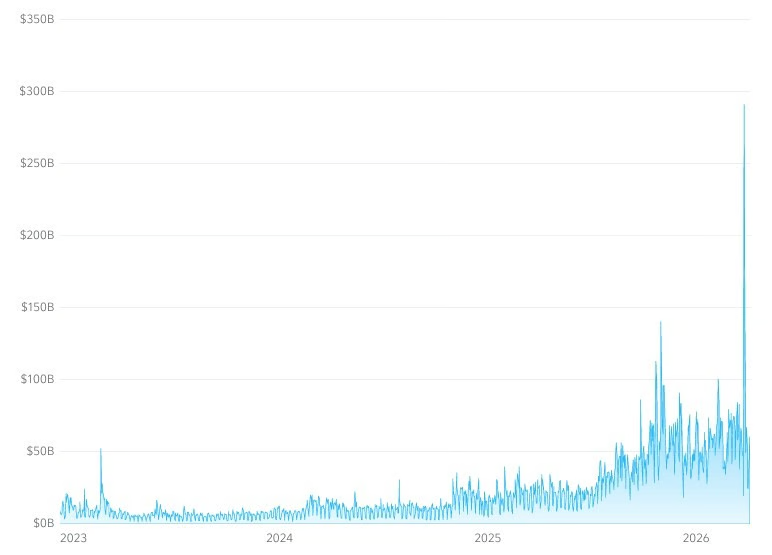
Aggregate stablecoin transfer volume. Source: FidelityThe 20% drop in 30-day stablecoin transfer volume is a headline number that obscures a more nuanced picture of how stablecoins are actually being used in 2026. In its Q2 Signals Report, Fidelity cited Coin Metrics data showing that Ethereum's stablecoin transfer values had recently exceeded historical averages, with transfer value over the past 12 months surpassing $18 trillion. Fidelity interpreted this not as speculative activity but as evidence that stablecoins are being used for payments, settlement, and on-chain access to the dollar independently of broader market sentiment. The implication is that a portion of stablecoin usage has matured into utility-driven activity that persists through crypto bear phases rather than contracting alongside speculative volumes.
Solana showed a similar trend on a smaller scale. Fidelity's data showed Solana consistently processing over $5 billion in stablecoin volume with its 30-day average increasing from $6.7 billion to $7.2 billion as of March 31. Fidelity suggested this may indicate Solana is moving toward more mainstream financial activity after being closely associated with memecoin trading for much of the previous cycle. Taken together, the data from both networks points to a stablecoin market that is bifurcating between short-term speculative transfer volumes that fluctuate with market conditions, and a deeper layer of utility-driven usage for payments and settlement that is proving more resilient to price volatility than most analysts expected.