


















 Earn up to 50% APR
 Boost earnings with NFTs
 Play, HODL & earn more






Why Freelancers Feel Guilty for Resting — And Why That Guilt Is Costing You More Than a Holiday Would
-
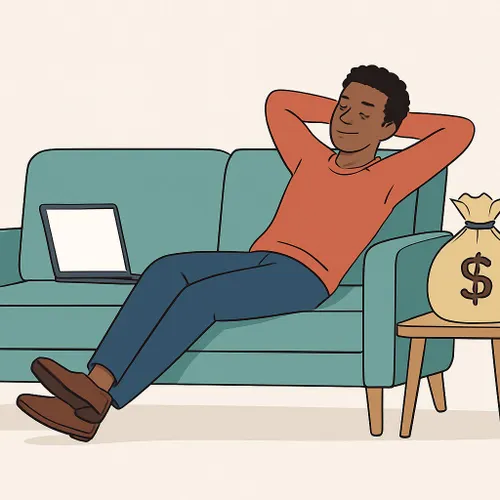
If you have ever checked your emails on Christmas Day or felt a creeping anxiety the moment you try to relax for an evening, you are not struggling with a personal weakness — you are experiencing a structural problem that almost every freelancer faces. When you were employed, the boundaries of work were imposed from outside. Office hours, annual leave, and a manager who told you to log off all created a scaffolding that made rest feel legitimate. When you work for yourself, none of that exists, and your brain — wired to protect your income — starts treating rest as a threat. Add the identity dimension of creative work, where what you do and who you are have become deeply intertwined, and switching off starts to feel like a betrayal of everything you have built.The cruel irony is that the refusal to rest is not the safe option — it is actually the riskier one. Running on empty quietly degrades your thinking, creativity, and judgment — the exact things your clients are paying for. Burnout does not just cost you a few days of productivity; it can take you out of the game entirely for weeks or months at a stretch. A two-week holiday looks very different compared to a three-month recovery from complete exhaustion. As one studio founder put it plainly: rest is part of the job, and a break is actually the faster route to better work. The freelancers most at risk of burning out are often the most conscientious — and reframing rest as a professional investment rather than a guilty indulgence is the first step toward a more sustainable career.