



















 Earn up to 50% APR
 Boost earnings with NFTs
 Play, HODL & earn more







Prediction Markets vs. US States: The Legal Battle That Could Reach the Supreme Court
-
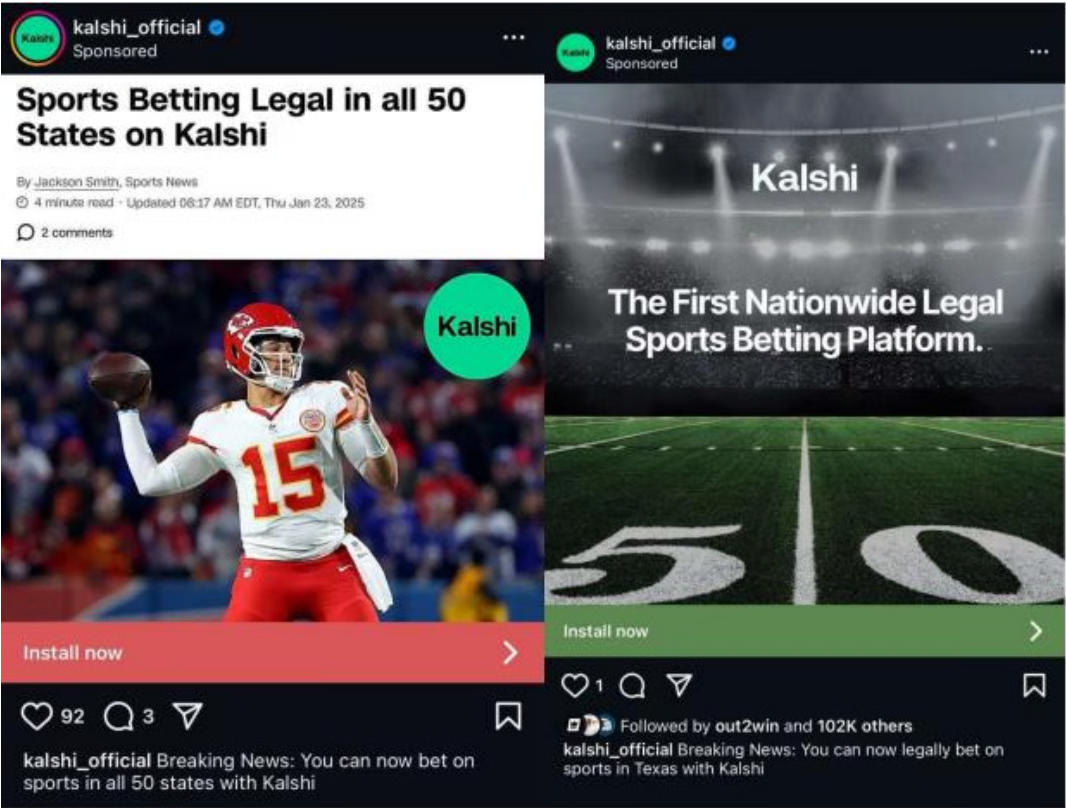
Prediction markets like Kalshi, Robinhood, and Coinbase are locked in an escalating legal war with state regulators across the United States over a deceptively simple question: are they financial platforms or sportsbooks? State gambling regulators have issued cease-and-desist letters, Arizona has pursued criminal charges, and earlier this month the Department of Justice stepped in, with the CFTC filing lawsuits against Illinois, Connecticut, and Arizona to defend what it calls its exclusive federal jurisdiction over these platforms. The core argument from the platforms is that their contracts are federally regulated swap instruments — not gambling products — and that a national framework should override a fragmented patchwork of state rules.The problem is that the numbers tell a different story.As of March 2026, 85% of trading volume on Kalshi came from sports-related contracts, making the "it's not gambling" argument increasingly difficult to sustain in court. In the Third Circuit, Judge Jane Roth wrote in her dissent that if something looks like gambling, talks like gambling, and calls itself gambling, it is gambling — though the court ultimately ruled against New Jersey's right to regulate. Now the Ninth Circuit is hearing Nevada's case against Kalshi, and judges there appear equally skeptical of the platform's positioning. If the Ninth Circuit rules in Nevada's favor, the case is widely expected to head to the Supreme Court, where the outcome remains genuinely uncertain.
-
85% sports volume is the number that kills the "federally regulated swap instrument" argument in any court that looks at economic substance over legal form. You can call a sports bet a derivative all you want — if 85% of your users are betting on games, the label doesn't survive scrutiny.