



















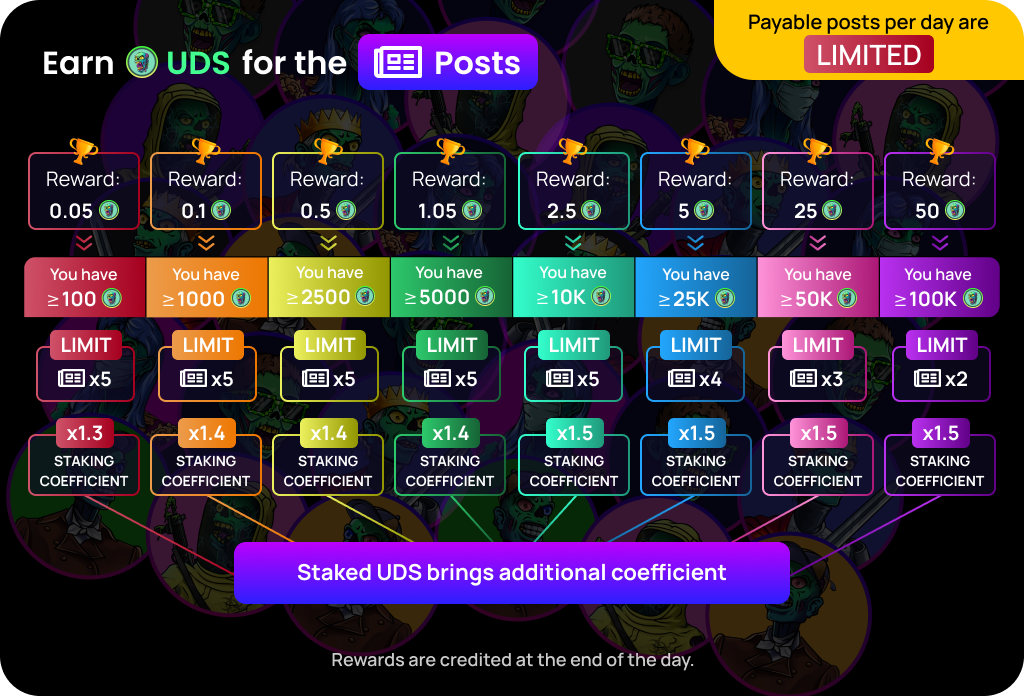
 Earn up to 50% APR
 Boost earnings with NFTs
 Play, HODL & earn more







The Rise of ‘Claw’ Agents Highlights Risks of Autonomous AI
-
OpenClaw, an open-source AI agent designed to run locally on personal devices, gained notoriety through Moltbook, where it was once at the center of a widely discussed — and later debunked — episode suggesting AI agents were plotting against humans.
Despite the drama, OpenClaw’s stated mission is to function as a personal AI assistant. Its popularity in Silicon Valley has sparked a wave of similar locally run agents with names like ZeroClaw, IronClaw and PicoClaw. Even Y Combinator’s podcast team recently leaned into the trend by appearing in lobster costumes — a nod to the “claw” branding.
But Yue’s experience underscores a broader concern: today’s autonomous AI agents remain unpredictable, especially when given access to sensitive data and real-world systems. Prompts alone are not reliable guardrails, and context-window limitations can cause agents to skip or misinterpret critical instructions.
While many developers claim to be successfully using such agents, they often rely on layered safeguards and custom configurations. Fully autonomous AI assistants capable of safely handling tasks like email management, scheduling and payments may still be several years away from mainstream readiness.